Lavoro 0 immagine 1 Lavoro 0 immagine 2 Lavoro 0 immagine 3 Lavoro 0 immagine 4 Lavoro 0 immagine 5 Lavoro 0 immagine 6 Lavoro 0 immagine 7 Lavoro 0 immagine 8 Lavoro 0 immagine 9 Lavoro 0 immagine 10 Lavoro 0 immagine 11 Lavoro 0 immagine 12 Lavoro 0 immagine 13 Lavoro 0 immagine 14

Title: Water is us - 2010

Read more

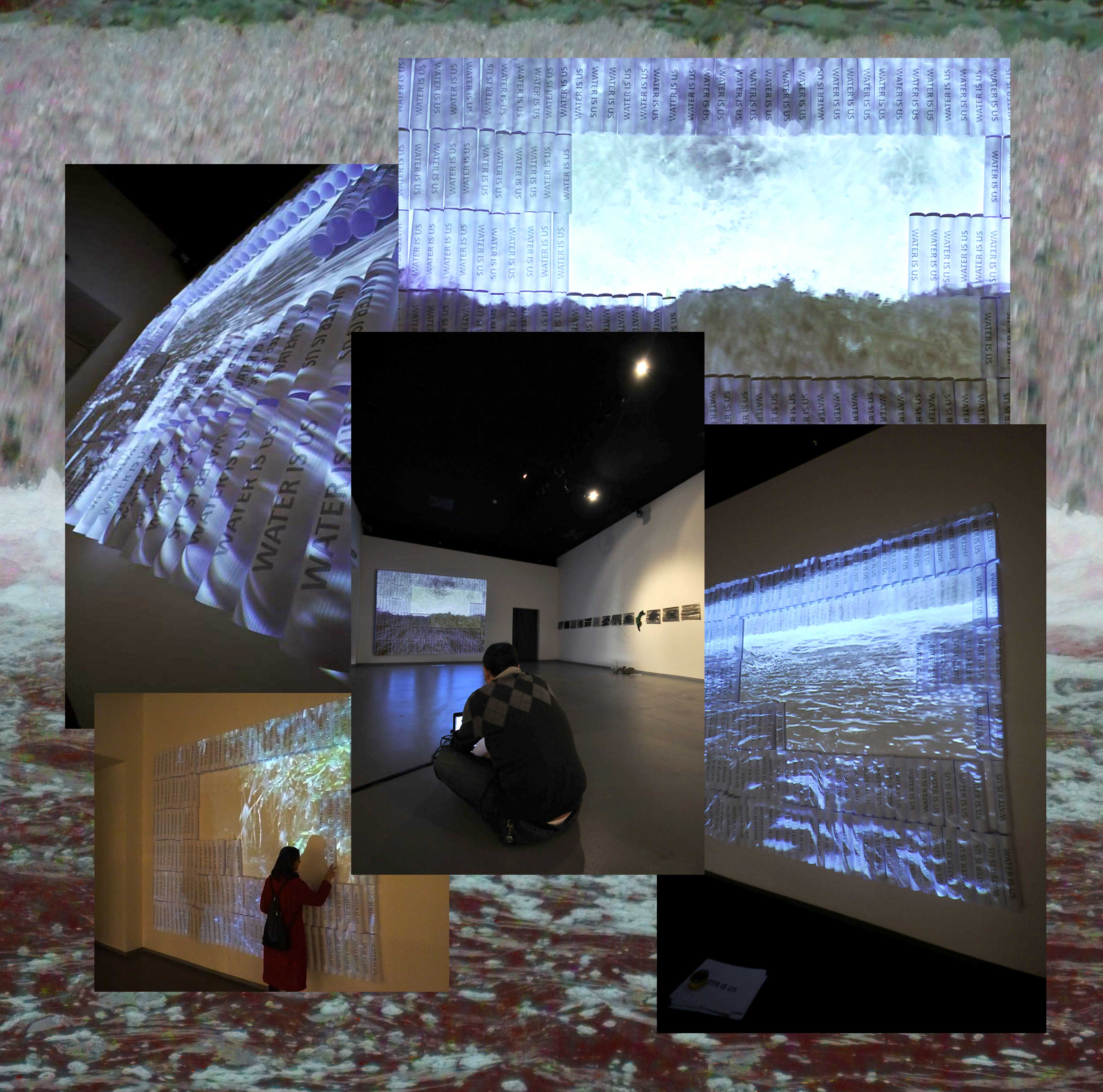
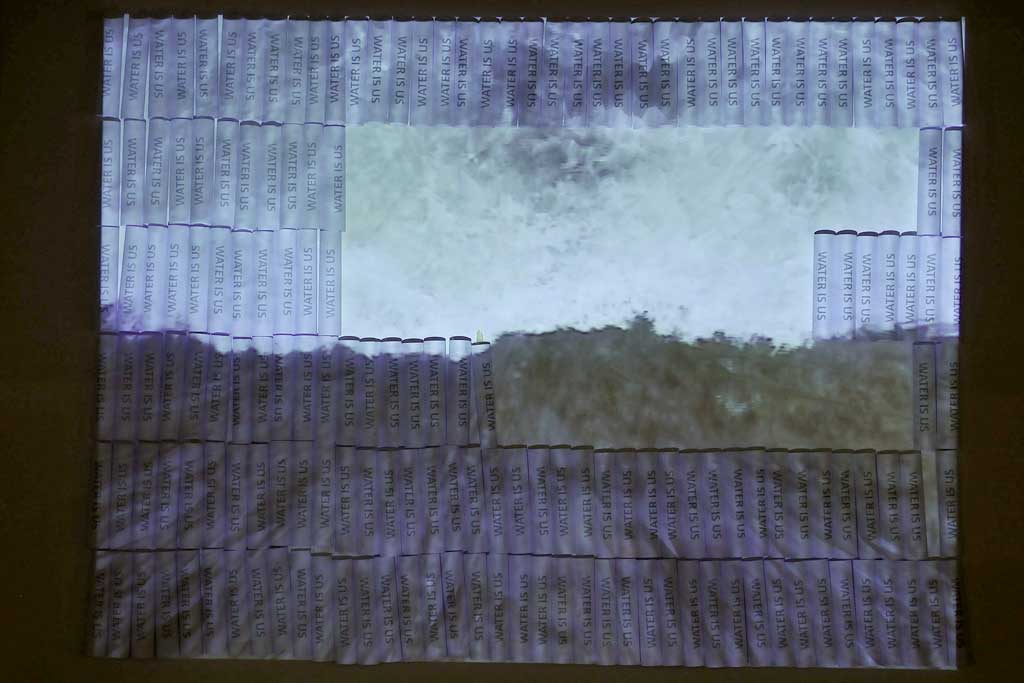
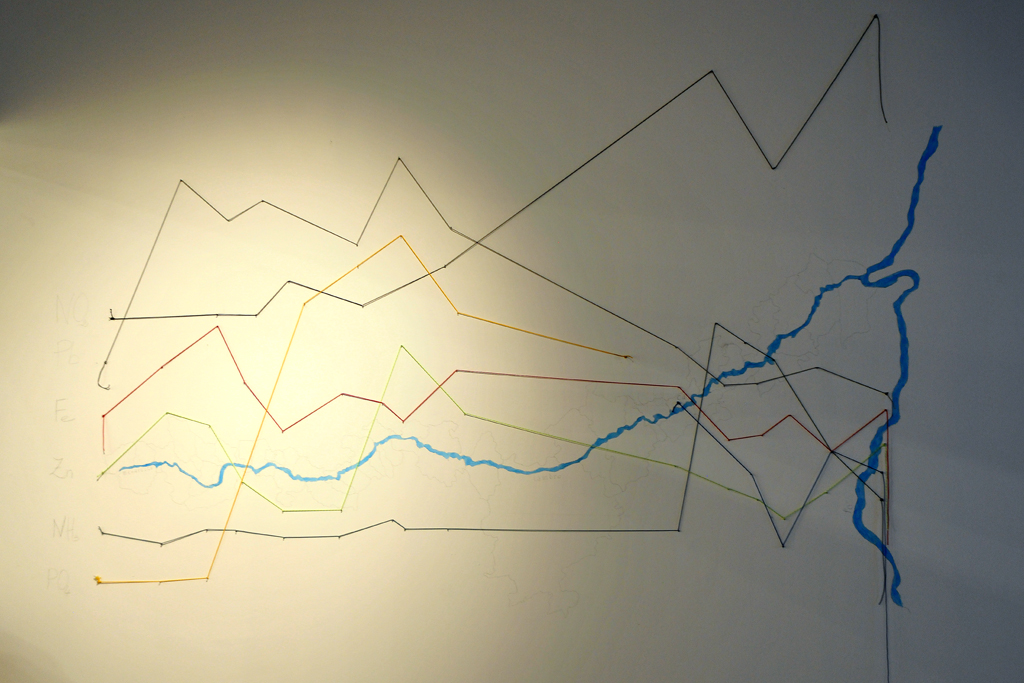
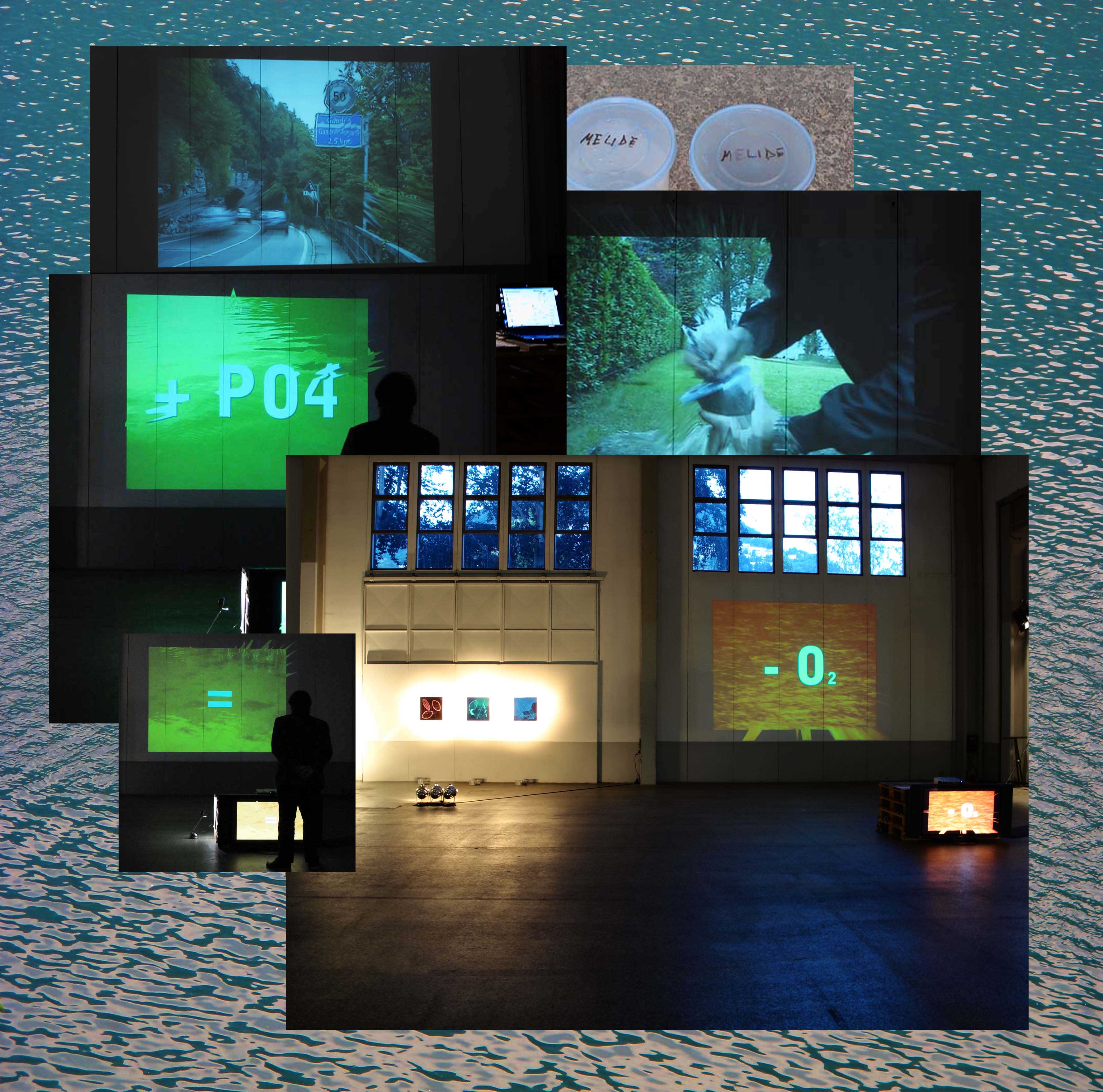
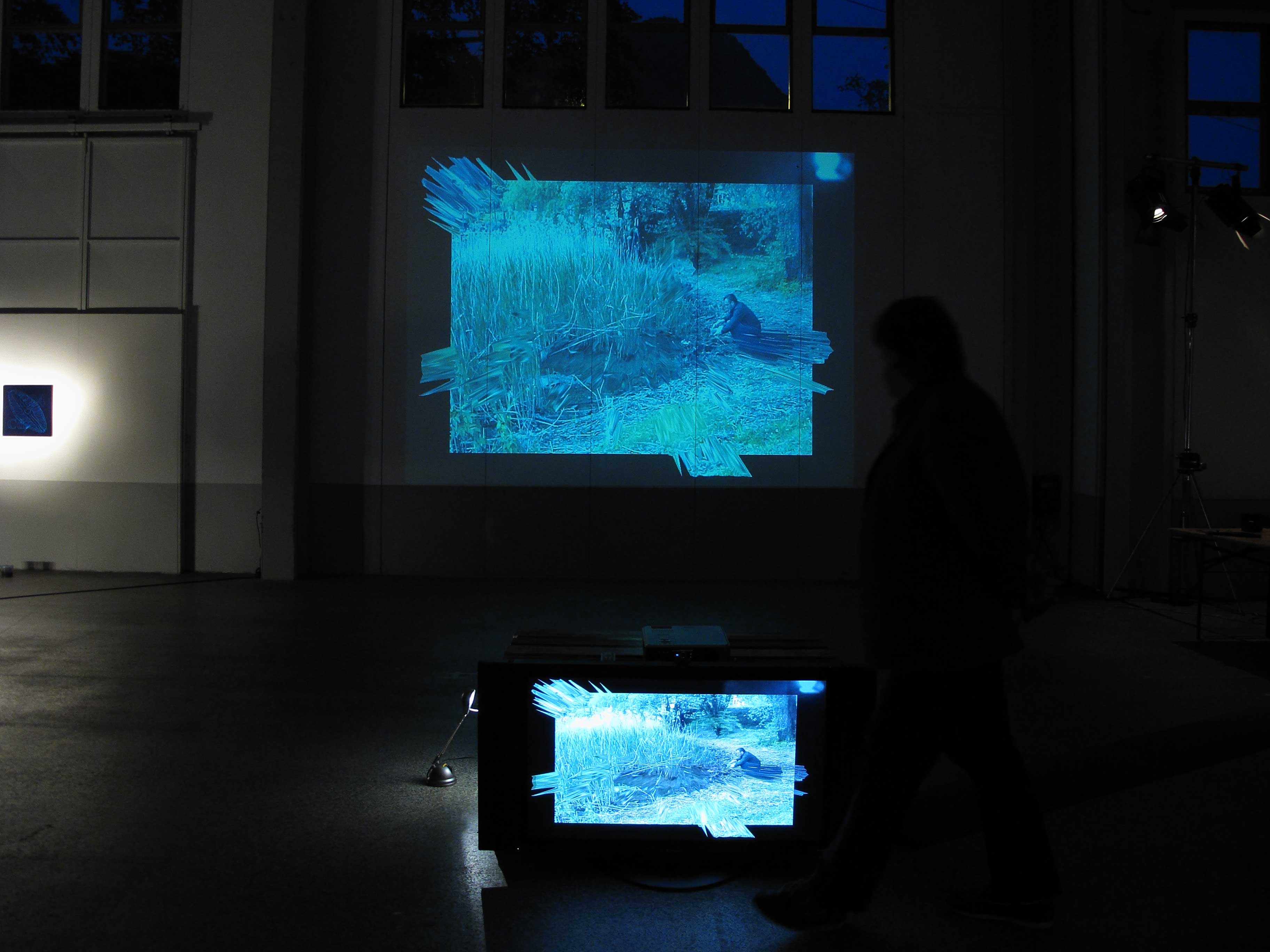
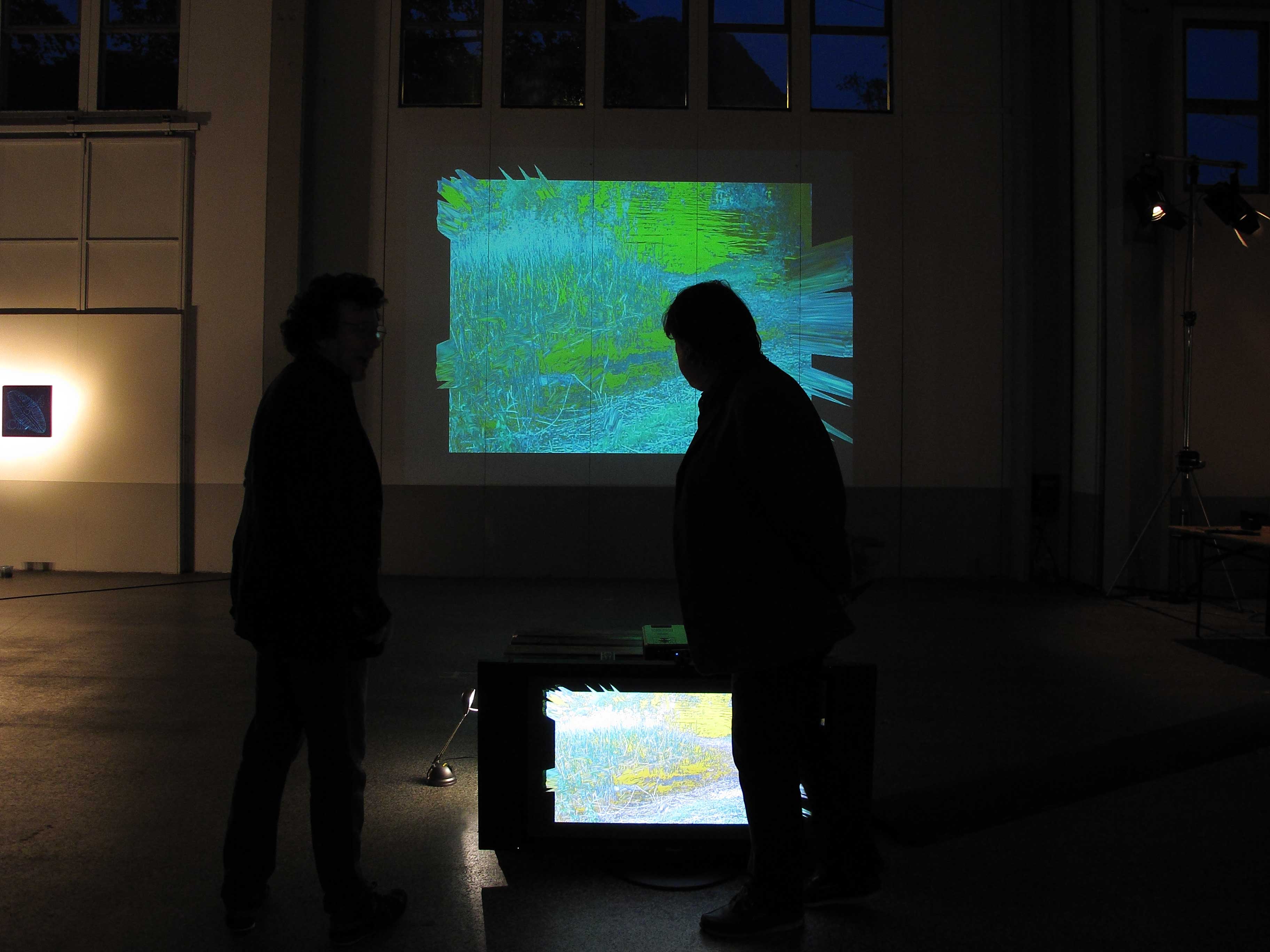
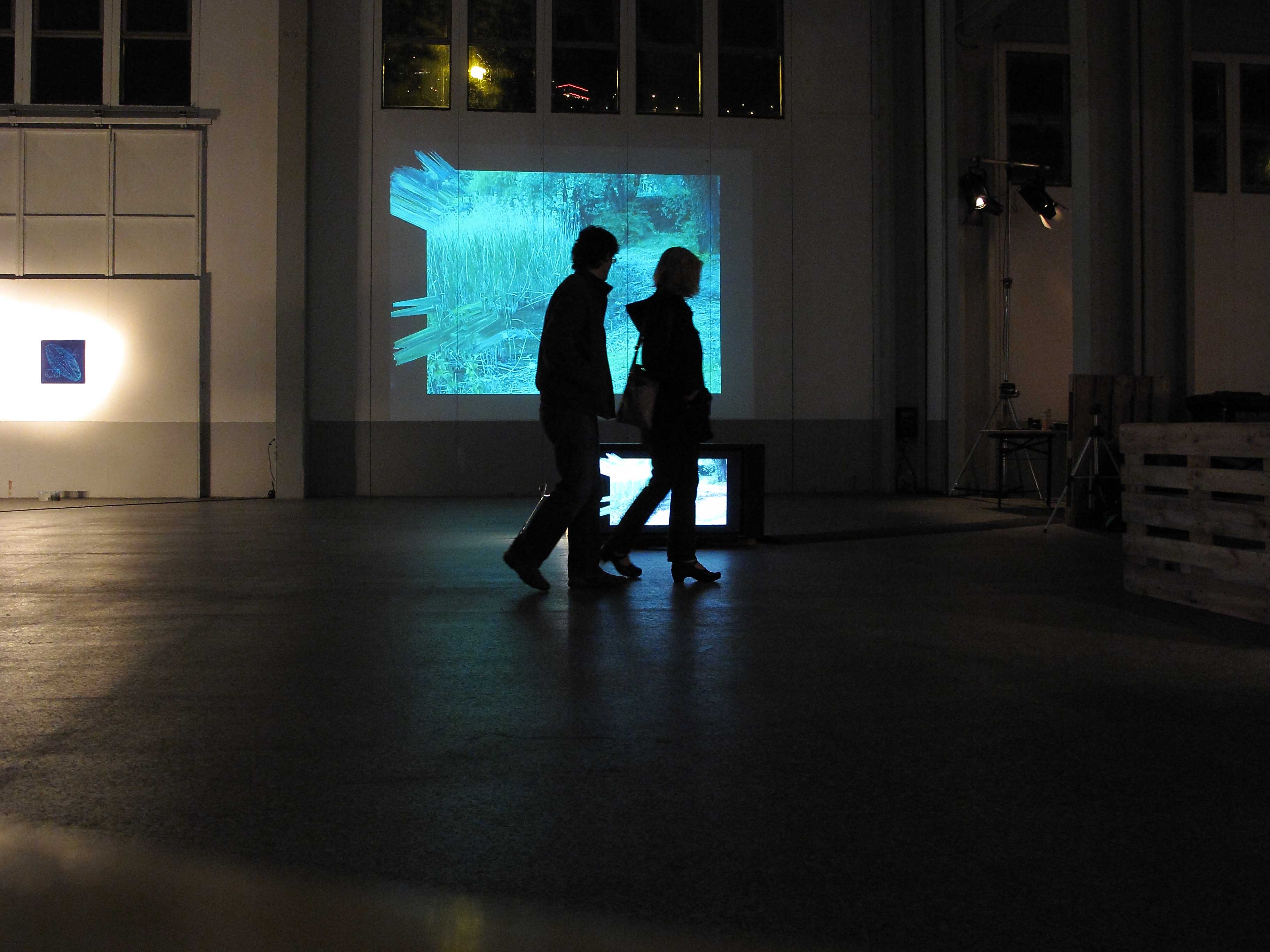
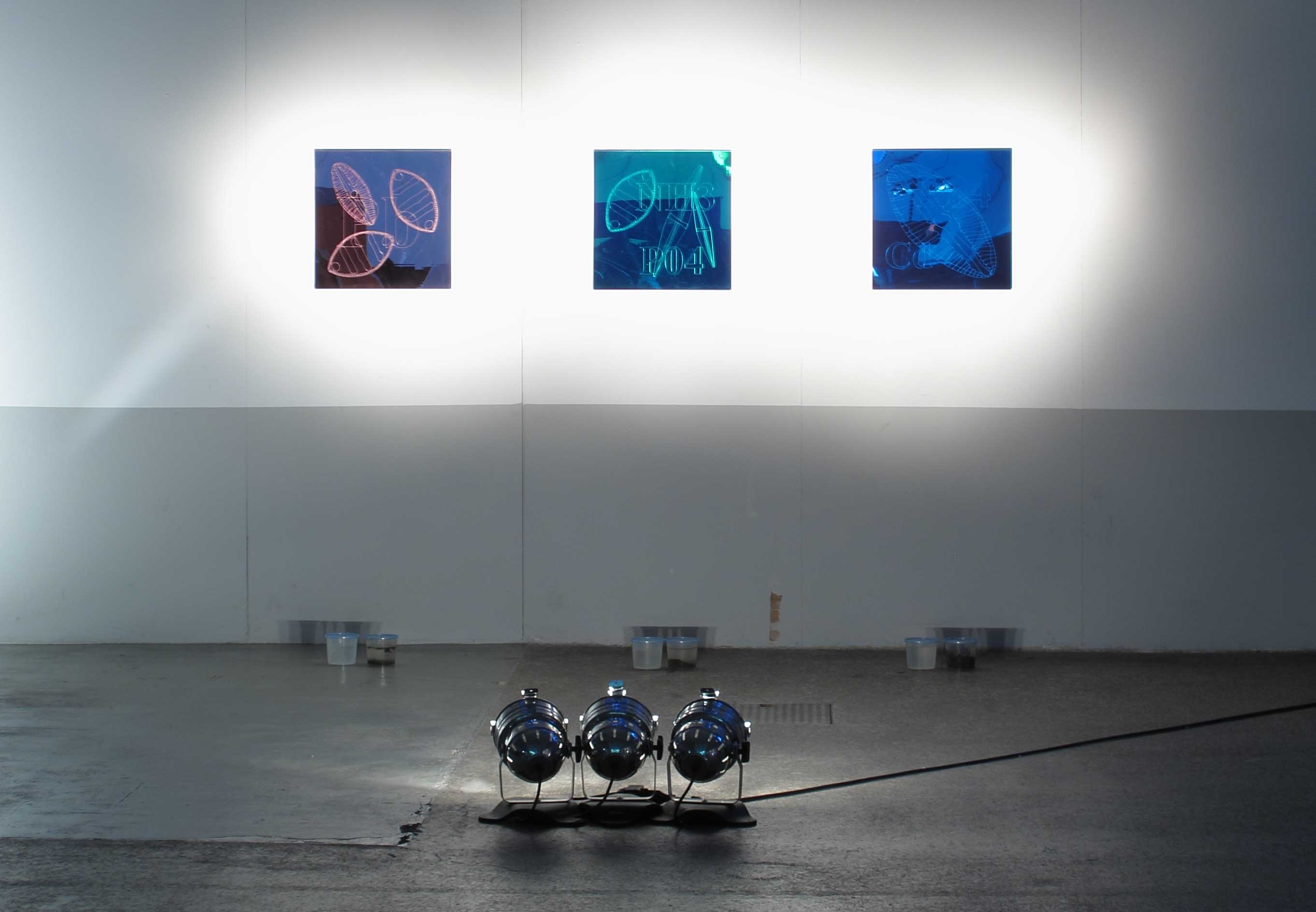
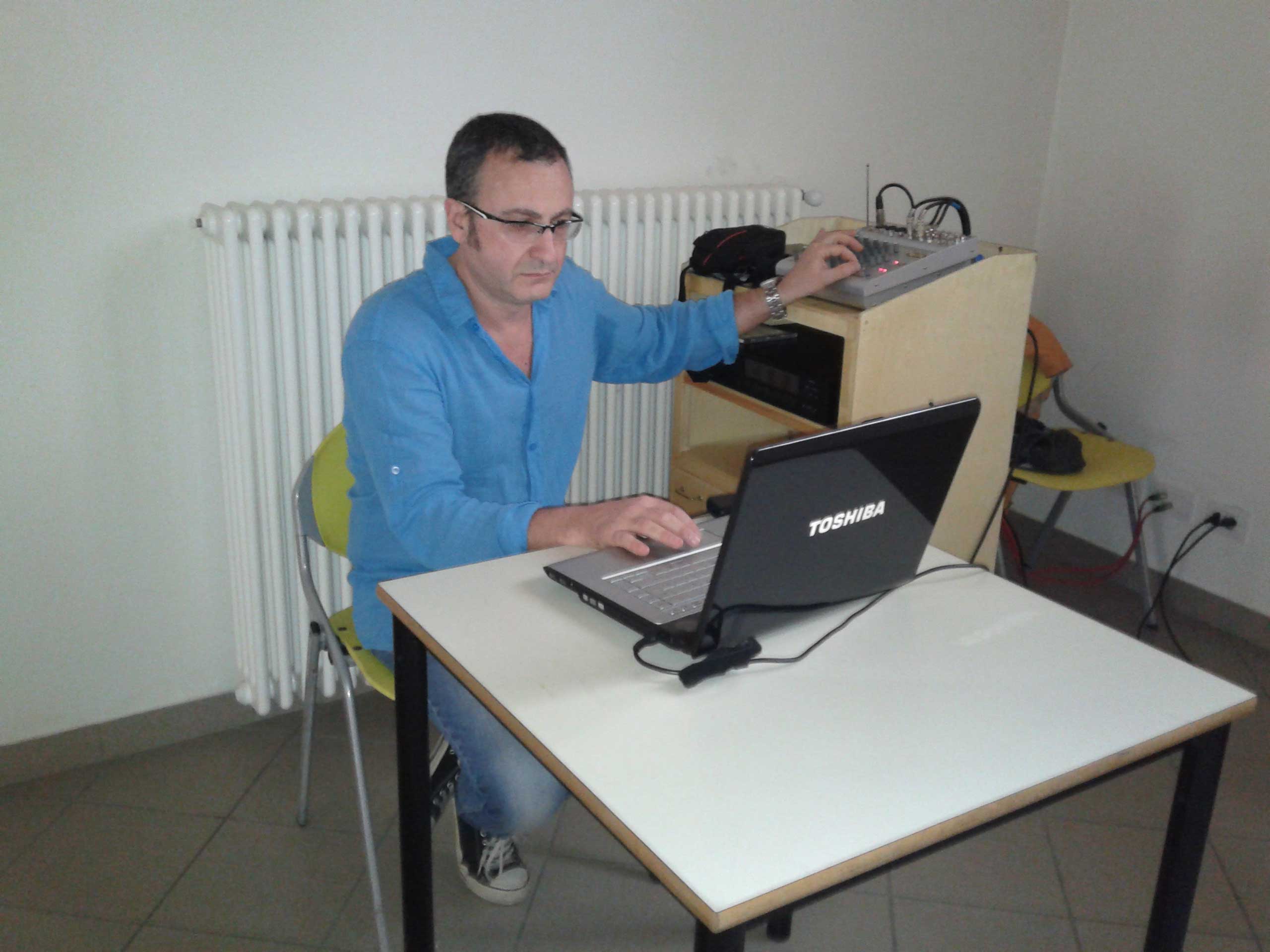
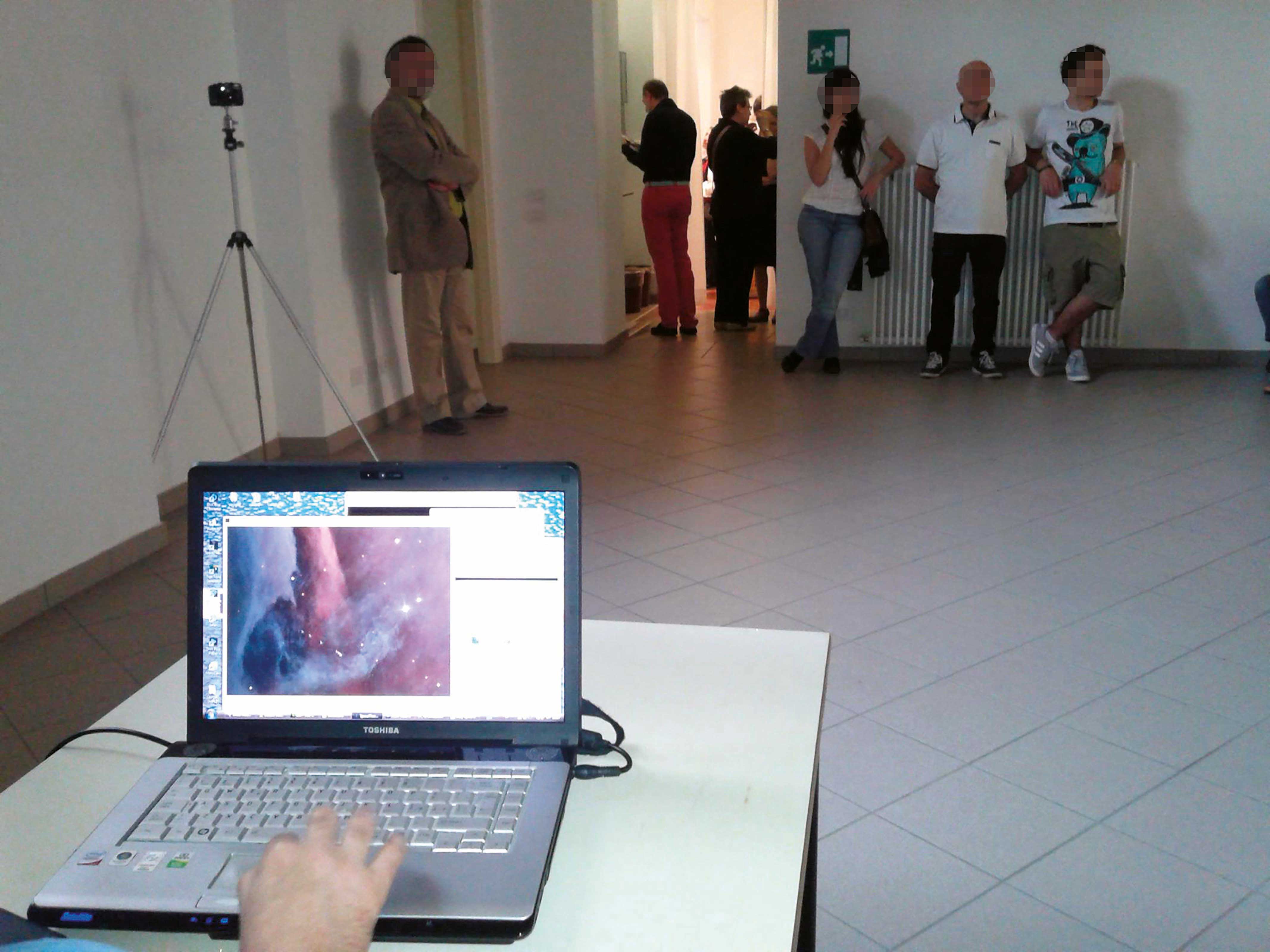
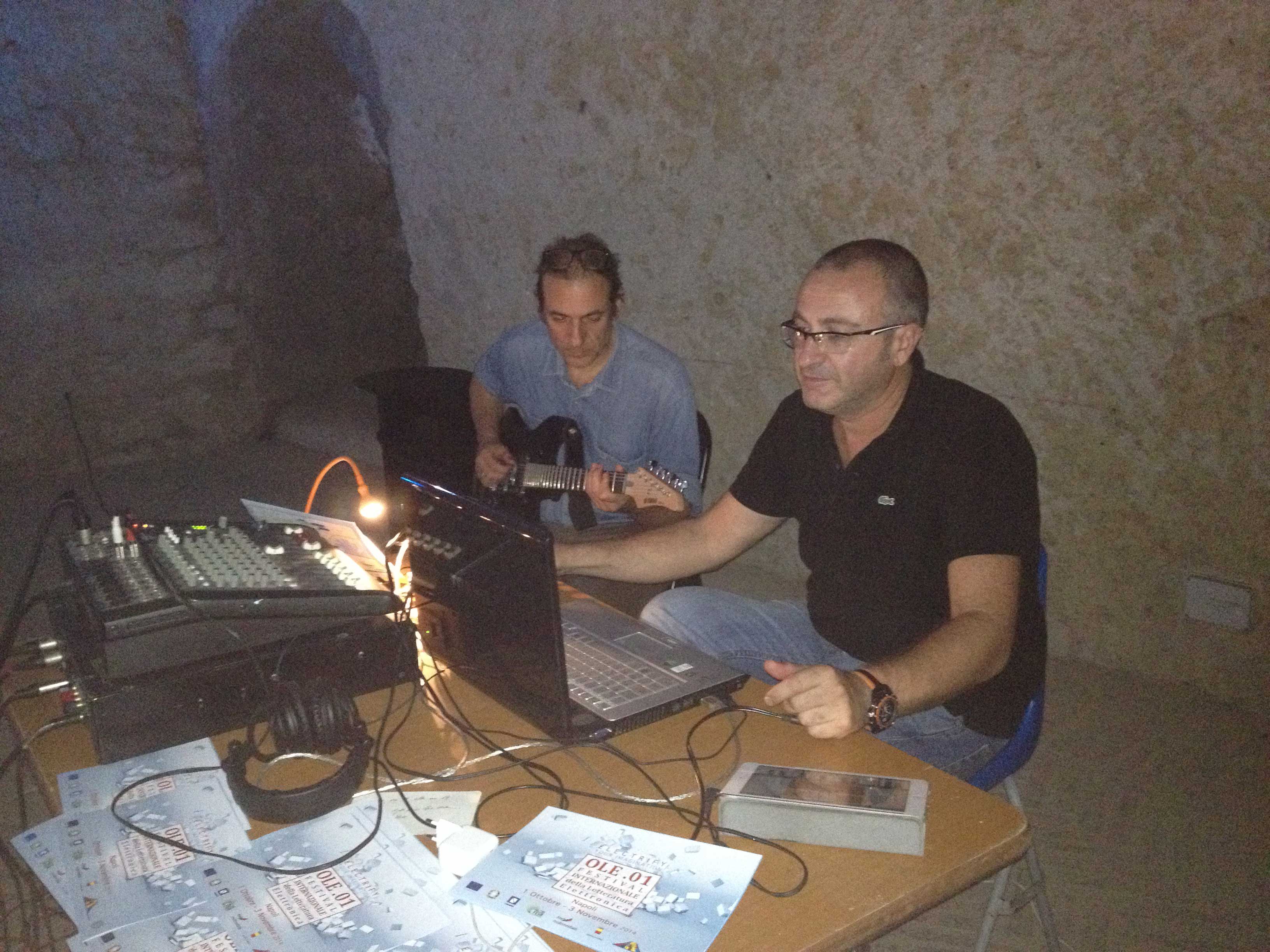
Water is Us began in 2010, when I was invited to take part in an art exhibition. From that moment, water became for me origin and destiny: a primordial element, the matrix of life, a living presence flowing through our bodies and through the world.
For several years I developed this theme, moving through both wonder and wound: water sustains us, and yet we destroy it. Through interactive installations and sound performances, I tried to give it a voice — its beauty, its memory, its pain.
The title already says it: Water is Us. Protecting water means protecting ourselves.


Water is Us nasce nel 2010, quando fui invitato a una rassegna artistica. Da allora l’acqua è diventata per me origine e destino: elemento primordiale, matrice della vita, presenza che scorre nei nostri corpi e nel mondo. Per alcuni anni ho sviluppato questo tema, attraversando la meraviglia e la ferita: l’acqua ci sostiene, eppure la distruggiamo. Con installazioni interattive e performance sonore ho cercato di restituirle una voce — la sua bellezza, la sua memoria, il suo dolore. Il titolo lo dice già: Water is Us. Proteggere l’acqua significa proteggere noi stessi.


Enter the Sound
Lavoro 1 immagine 1 Lavoro 1 immagine 2 Lavoro 1 immagine 3 Lavoro 1 immagine 4 Lavoro 1 immagine 5 Lavoro 1 immagine 6 Lavoro 1 immagine 7 Lavoro 1 immagine 8 Lavoro 1 immagine 9 Lavoro 1 immagine 10 Lavoro 1 immagine 11

Title: Troyan Horse - 2008

Read more

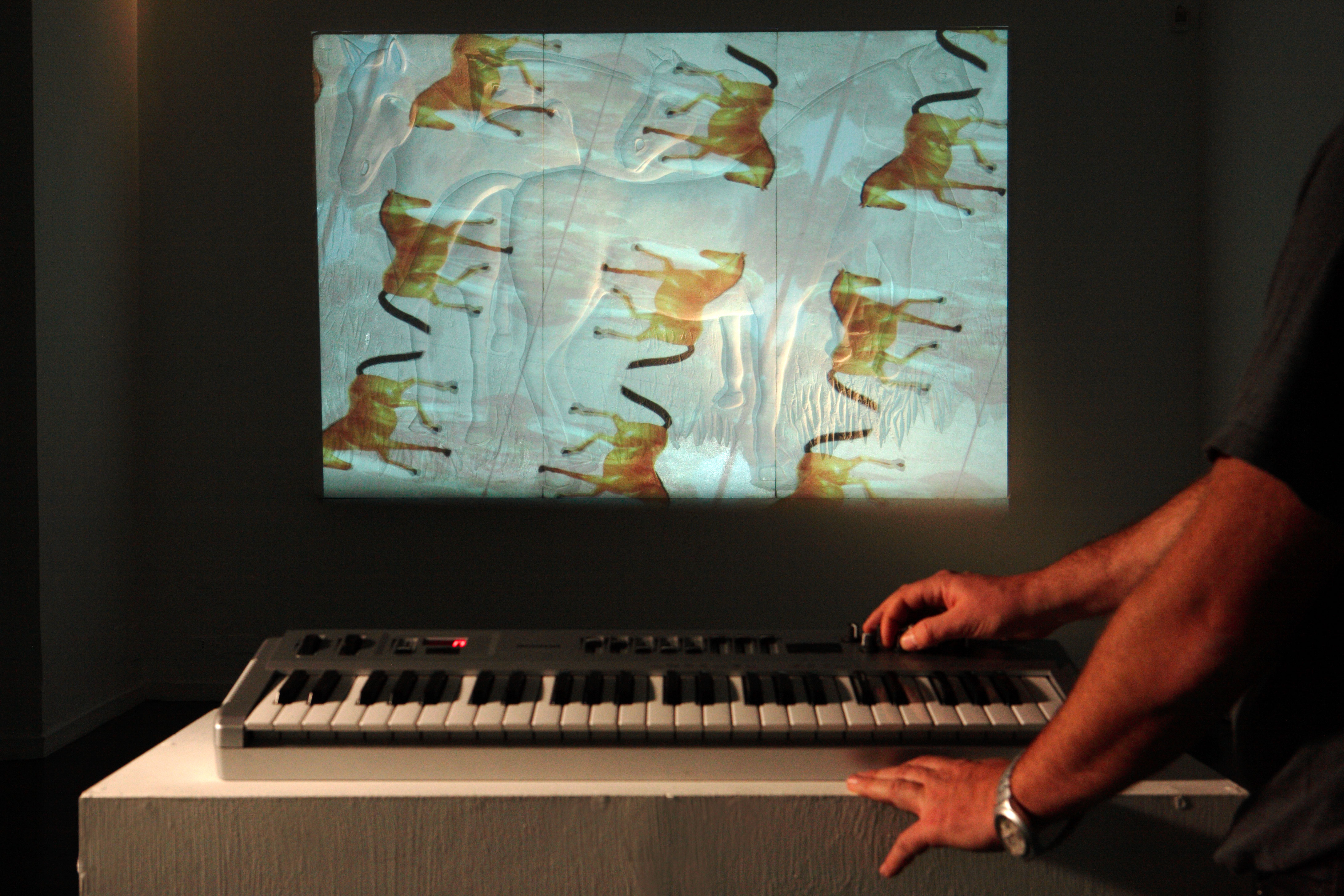
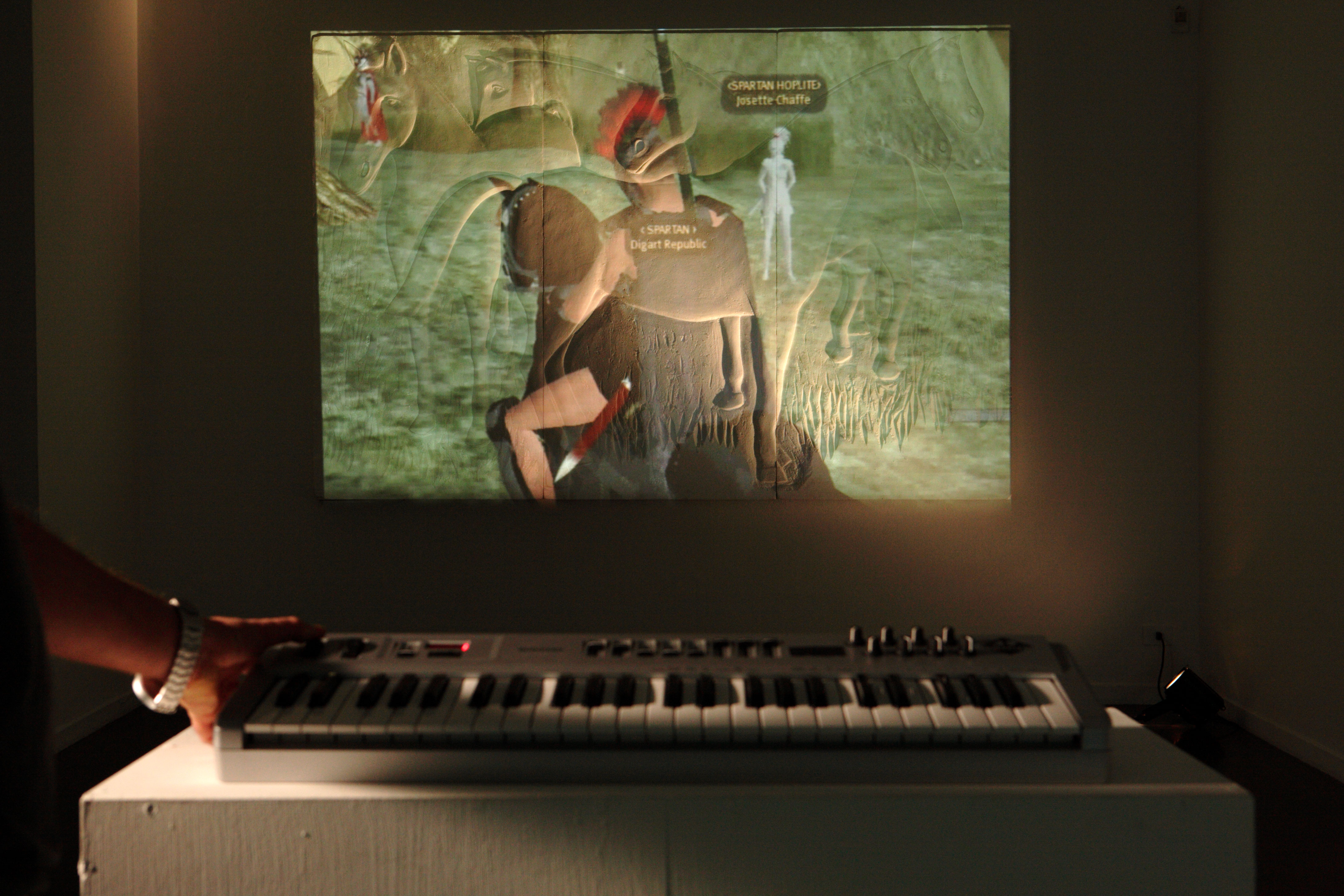
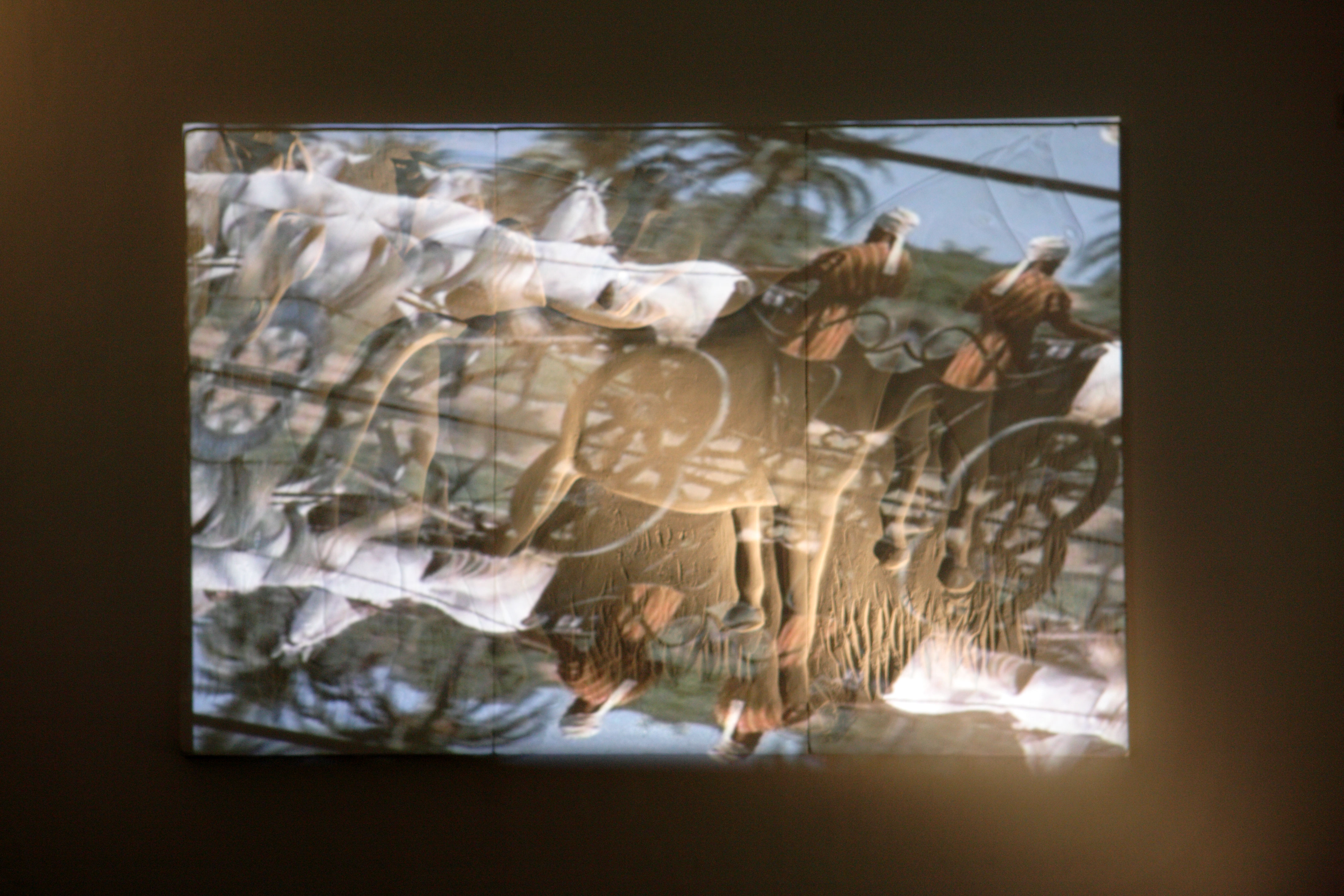
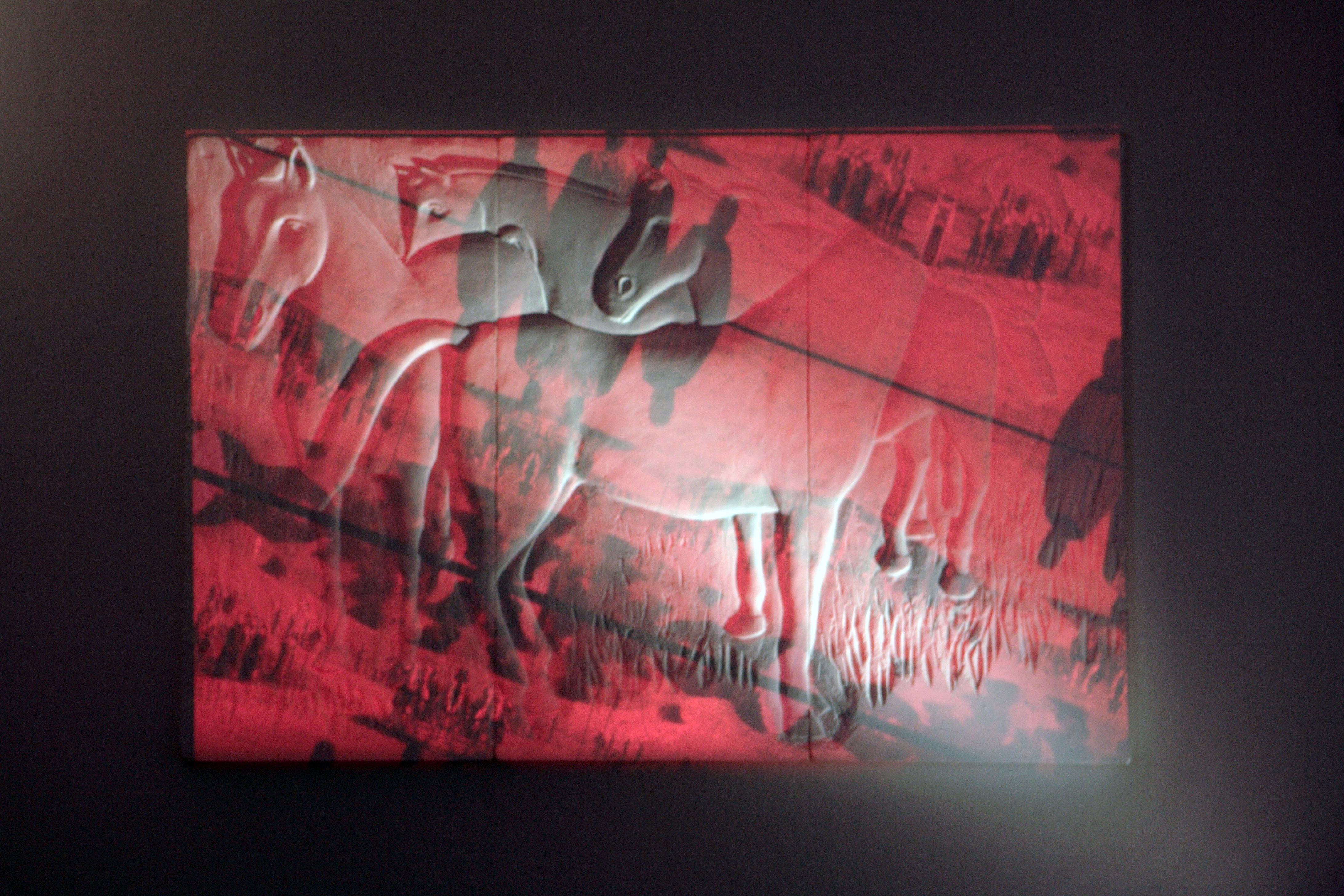
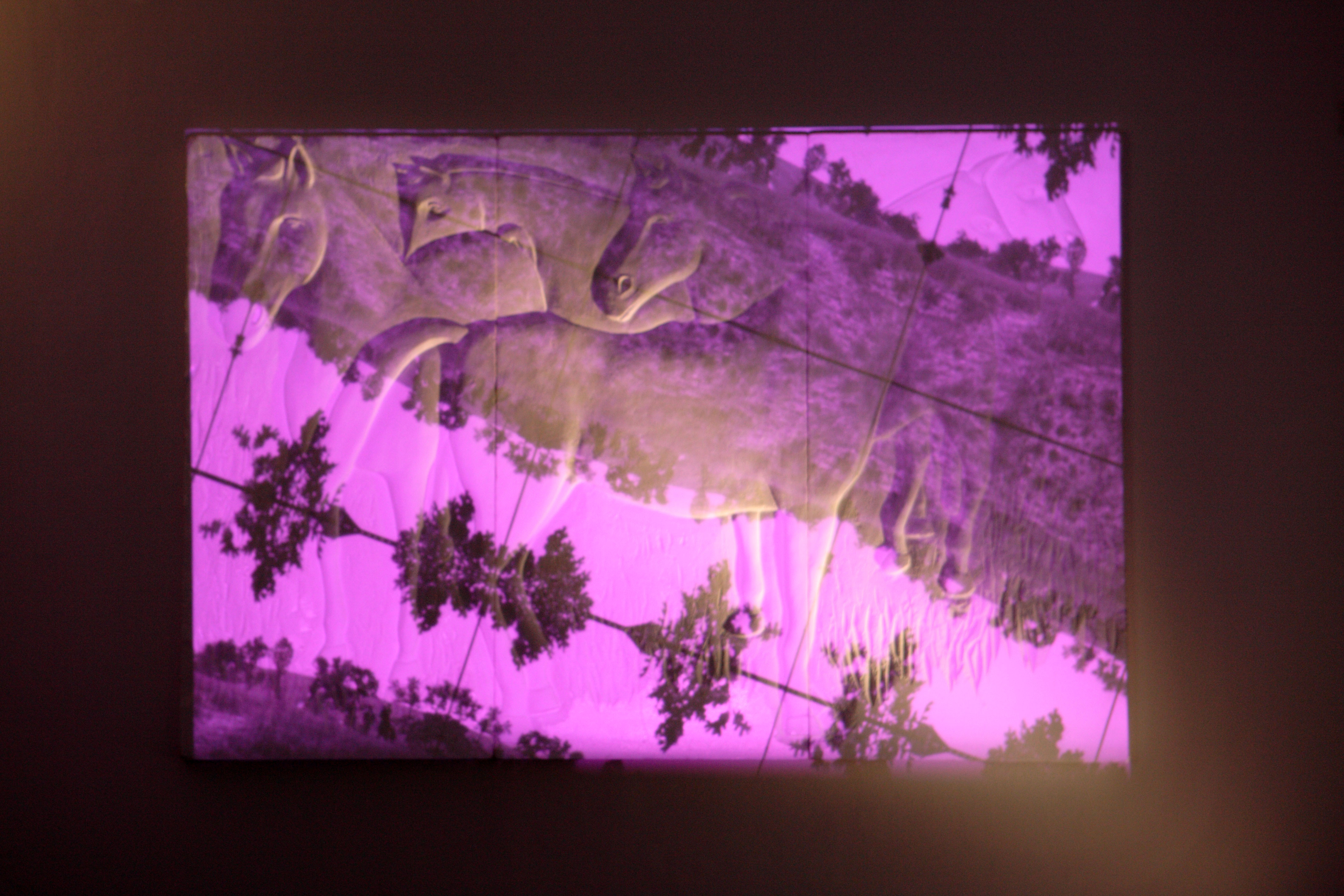
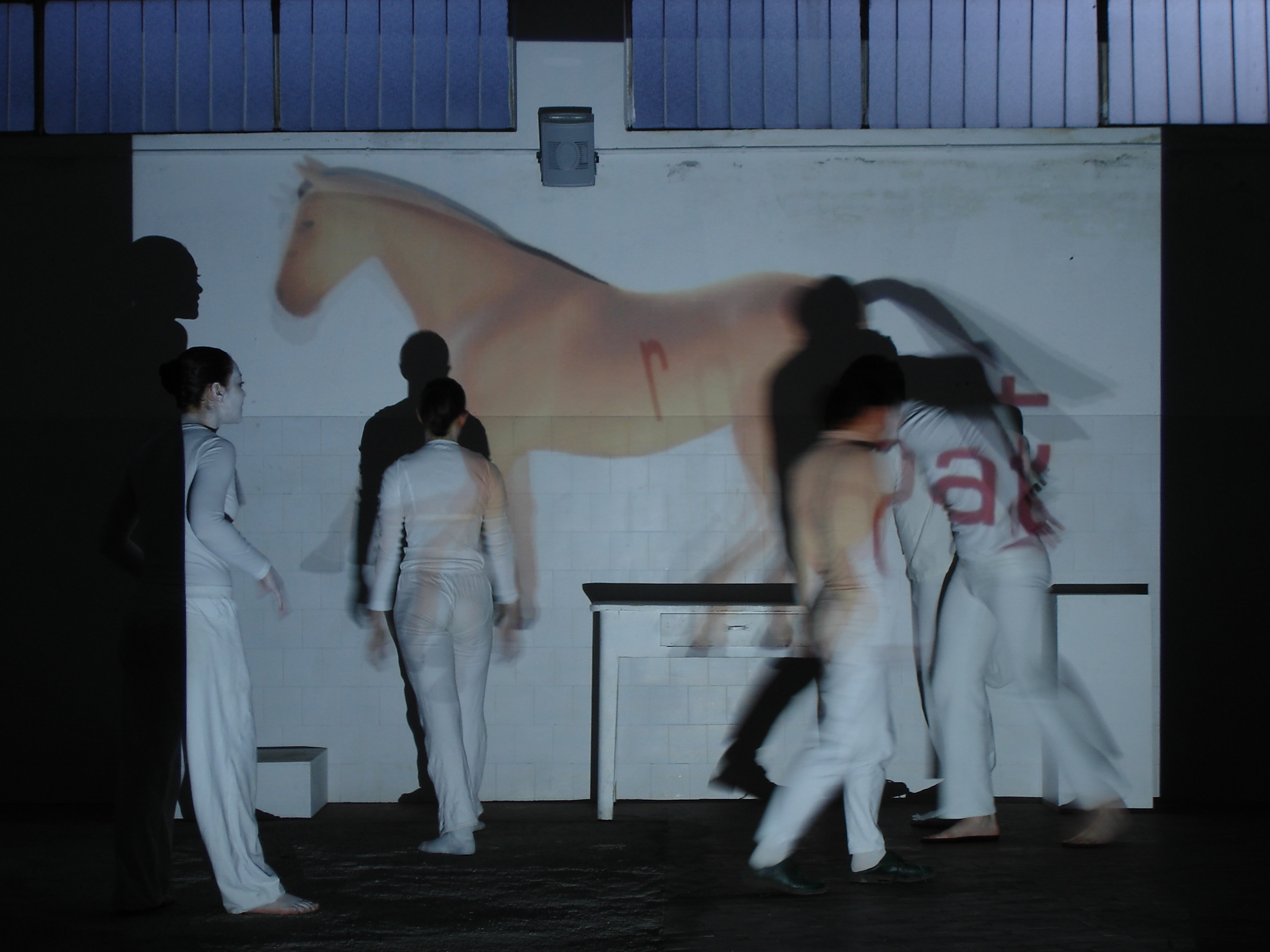
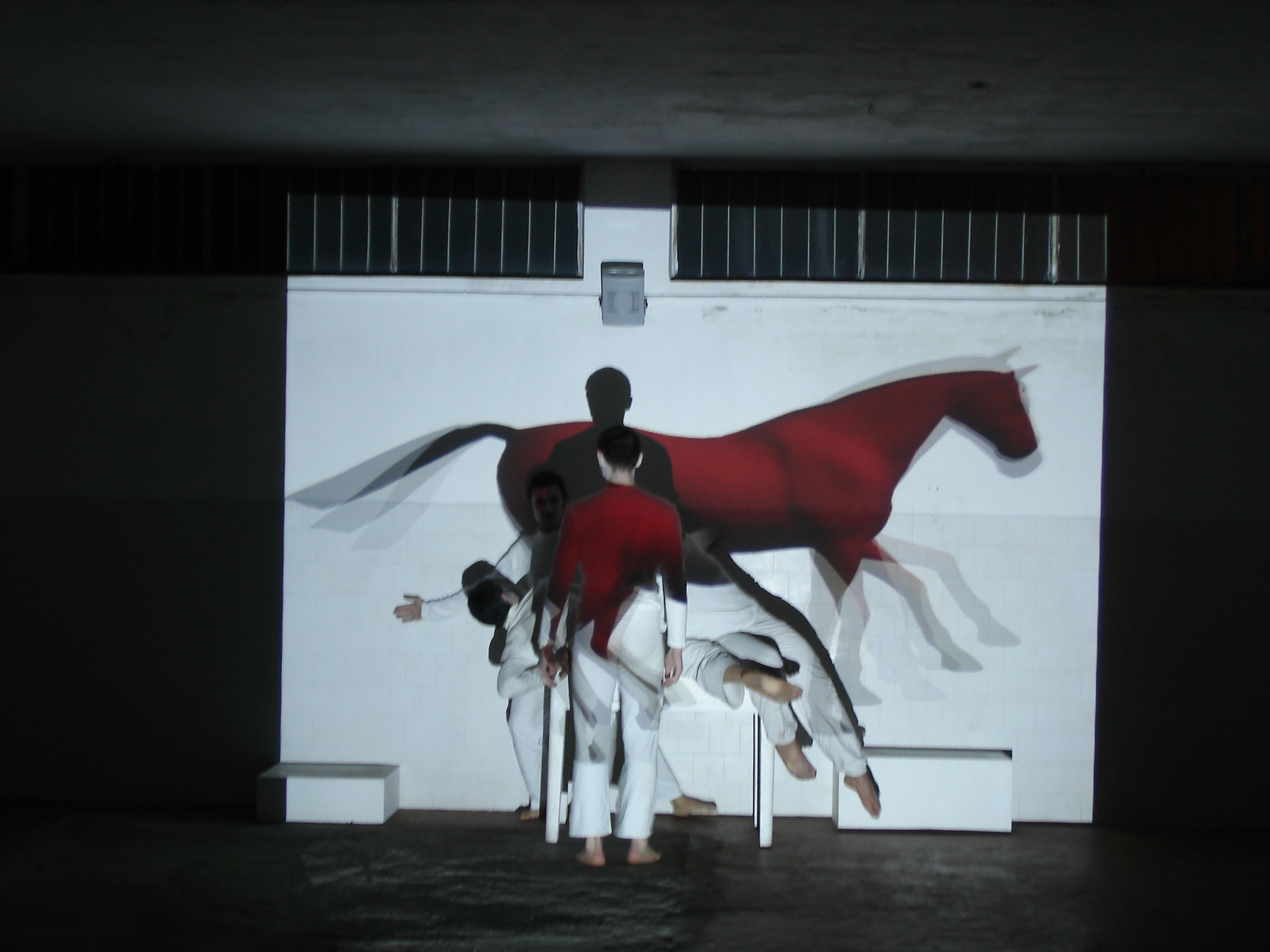
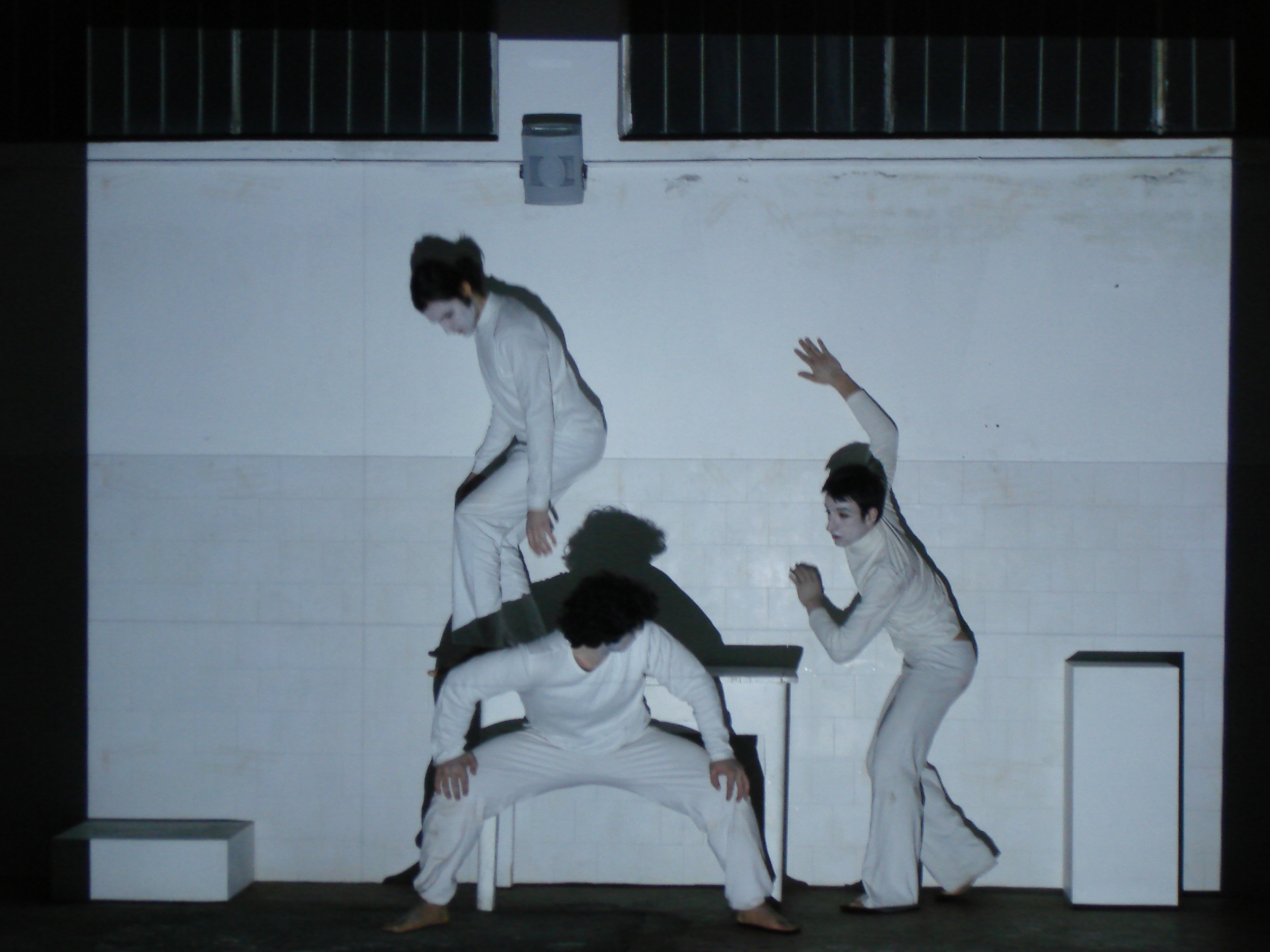
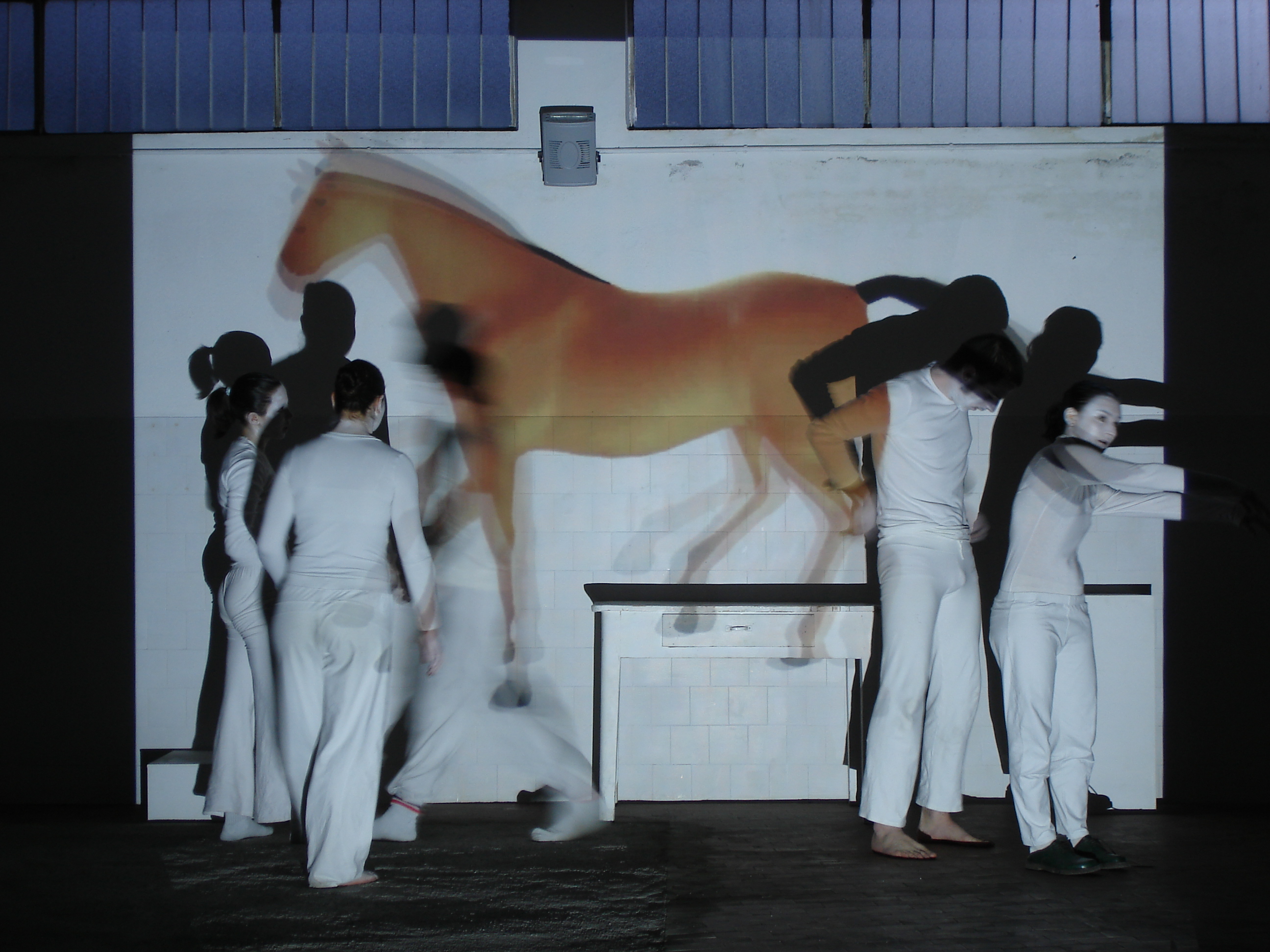
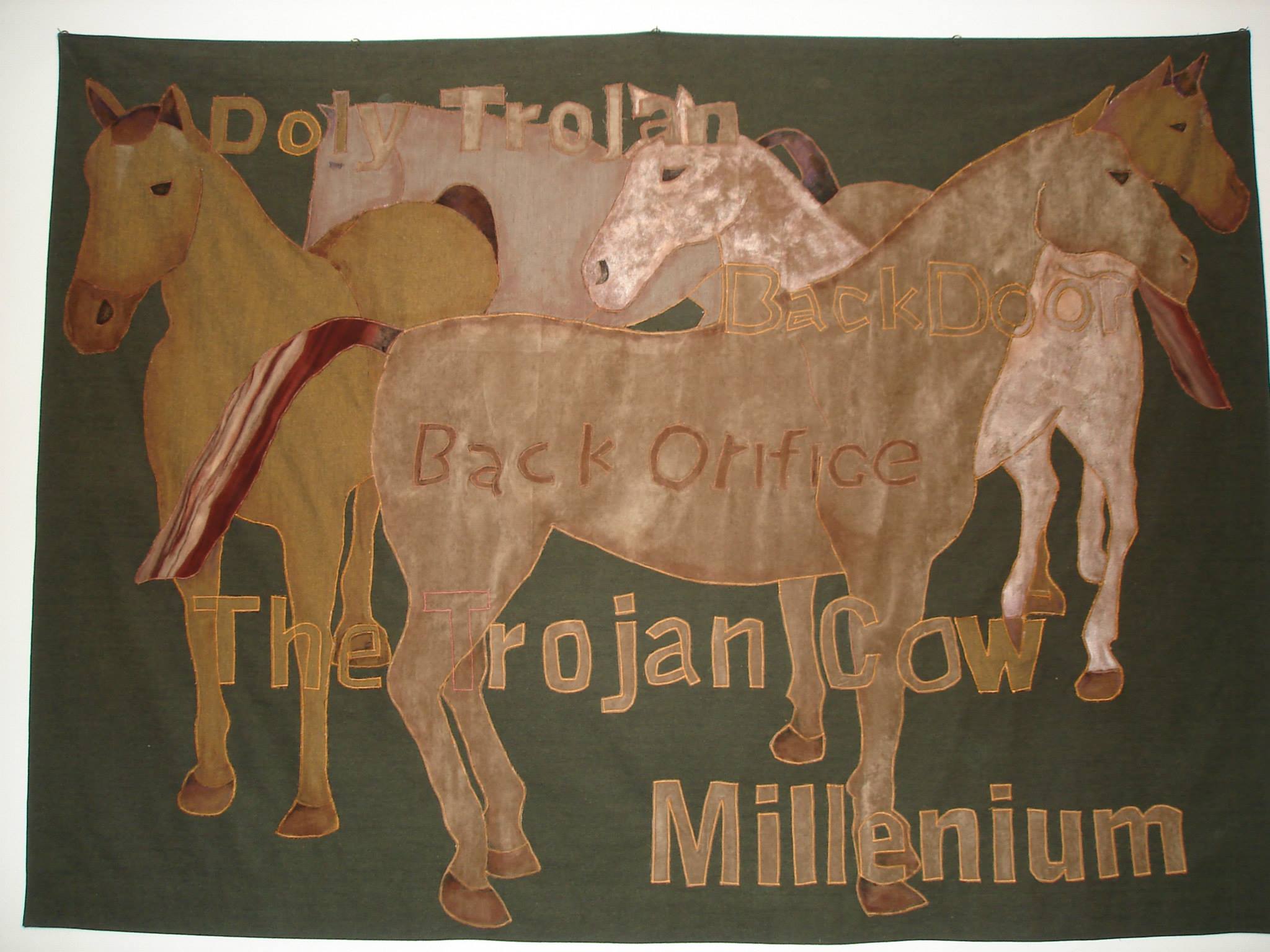
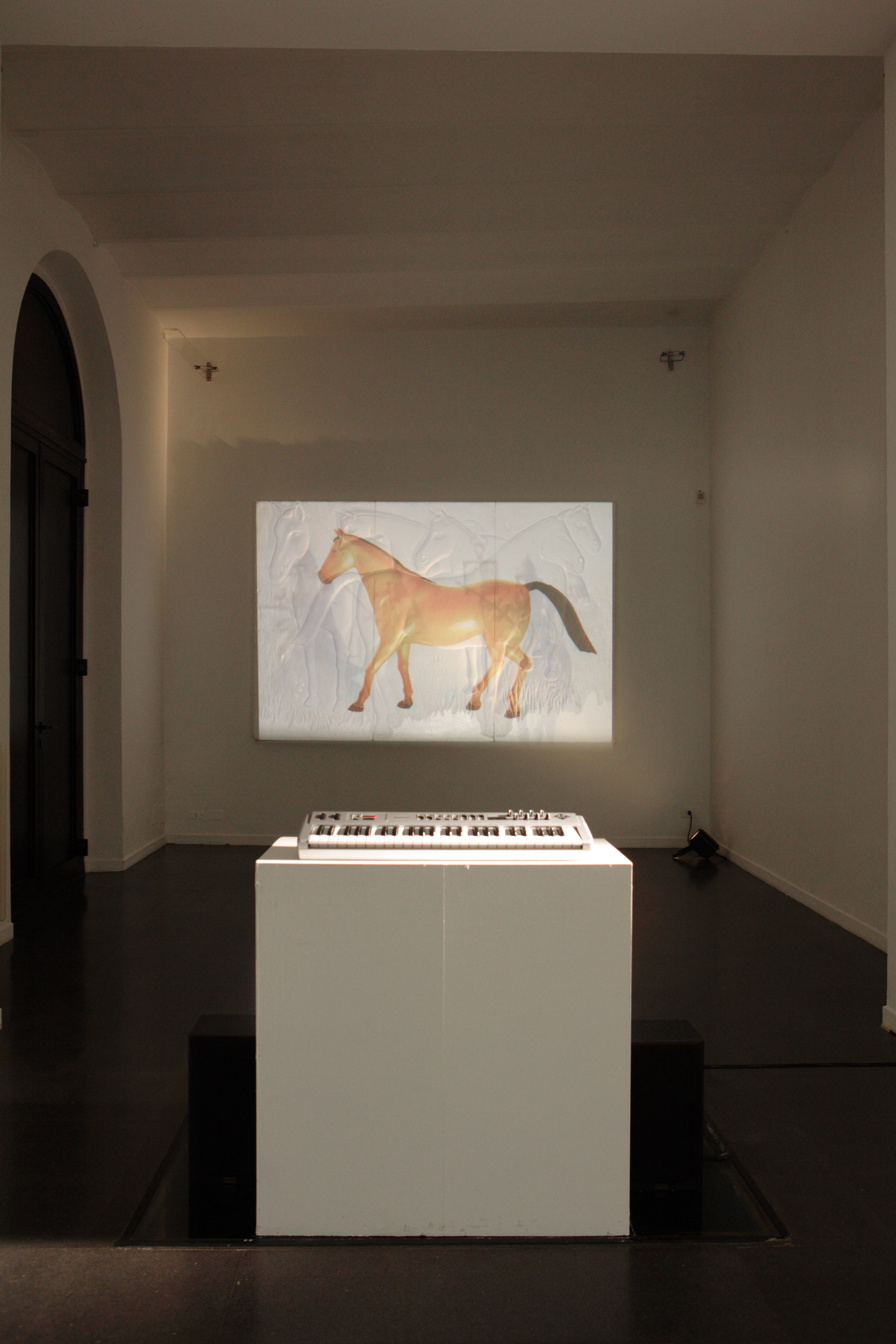
Troyan Horse (2008) is an interactive installation that connects Homeric epic to the world of computer viruses, evoking the imagery of the Trojan horse as a metaphor for digital intrusion. The work consists of hardware, a MIDI keyboard, and a polystyrene bas-relief depicting horses. Through the keyboard, each viewer activates audio and video files, generating ever-changing combinations and voluntarily opening the system to new inputs. In the following series, the bas-relief is replaced by a group of actors who react to the score generated by the audience, simulating the behavior of living viruses attempting to infiltrate and modify the environment. Last work is a textile patchwork that echoes the scene of horses and viruses, functioning as a visual map of myth and infection.


Cavallo di Troia (2008) è un’installazione interattiva che mette in relazione l’epica omerica e i virus informatici, richiamando l’immaginario del cavallo di Troia come metafora dell’intrusione digitale. L’opera è composta da hardware, tastiera MIDI e un bassorilievo in polistirolo raffigurante cavalli: attraverso la tastiera, ogni spettatore attiva file audio e video generando combinazioni sempre diverse, aprendo volontariamente il sistema a nuovi ingressi. Nella serie successiva, al posto del rilievo appaiono attori che reagiscono alla partitura generata dal pubblico, simulando il comportamento di virus viventi che tentano di infiltrarsi e modificare l’ambiente. L'ultimo lavoro si tratta di un patchwork tessile che richiama la scena dei cavalli e dei virus, come mappa visiva del mito e dell’infezione.
Lavoro 2 immagine 1 Lavoro 2 immagine 2 Lavoro 2 immagine 3 Lavoro 2 immagine 4 Lavoro 2 immagine 5 Lavoro 2 immagine 6 Lavoro 2 immagine 7 Lavoro 2 immagine 8 Lavoro 2 immagine 9 Lavoro 2 immagine 10 Lavoro 2 immagine 11 Lavoro 2 immagine 12

Title:Chat Bodies - 2006/2010

Read more

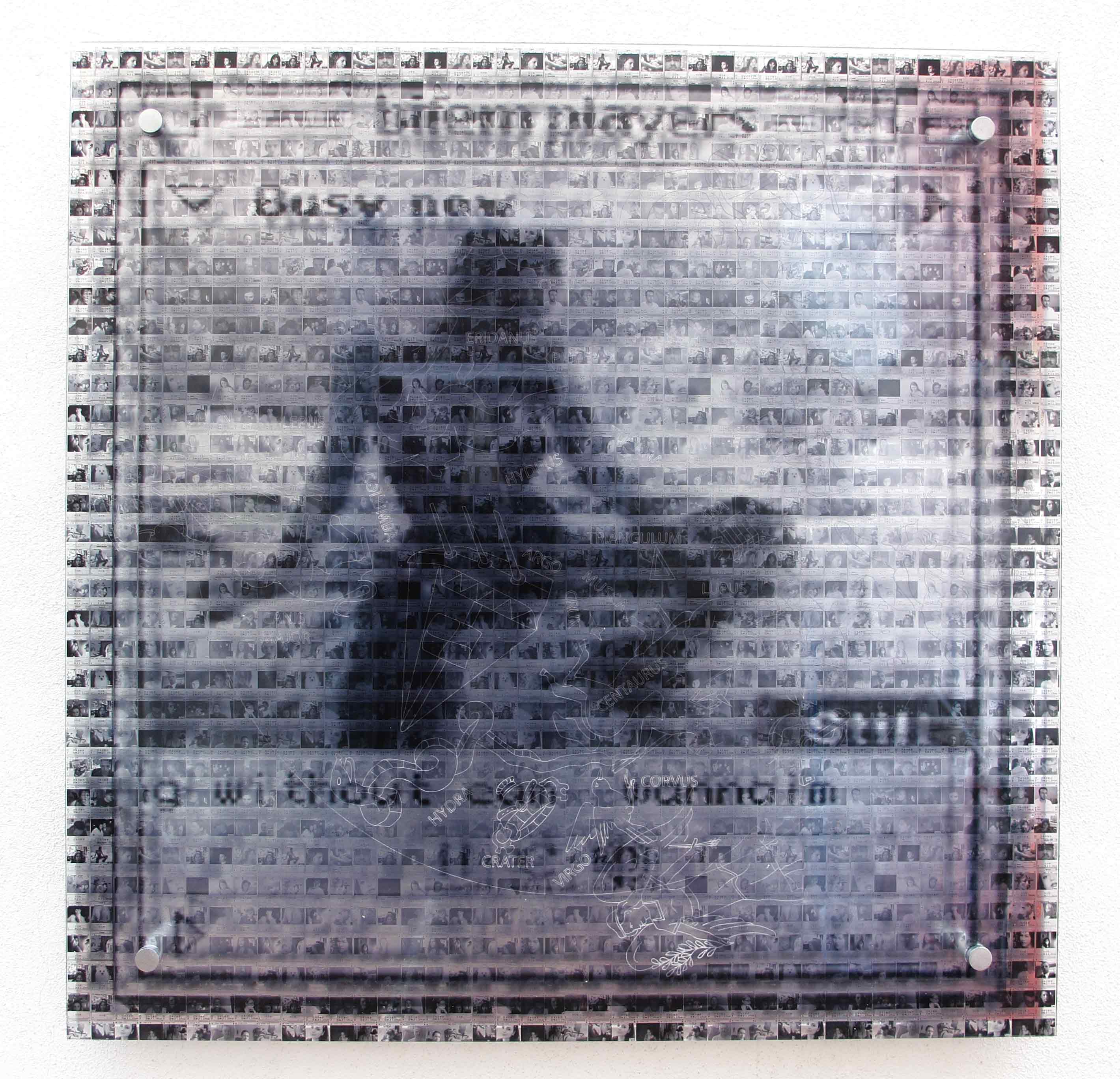
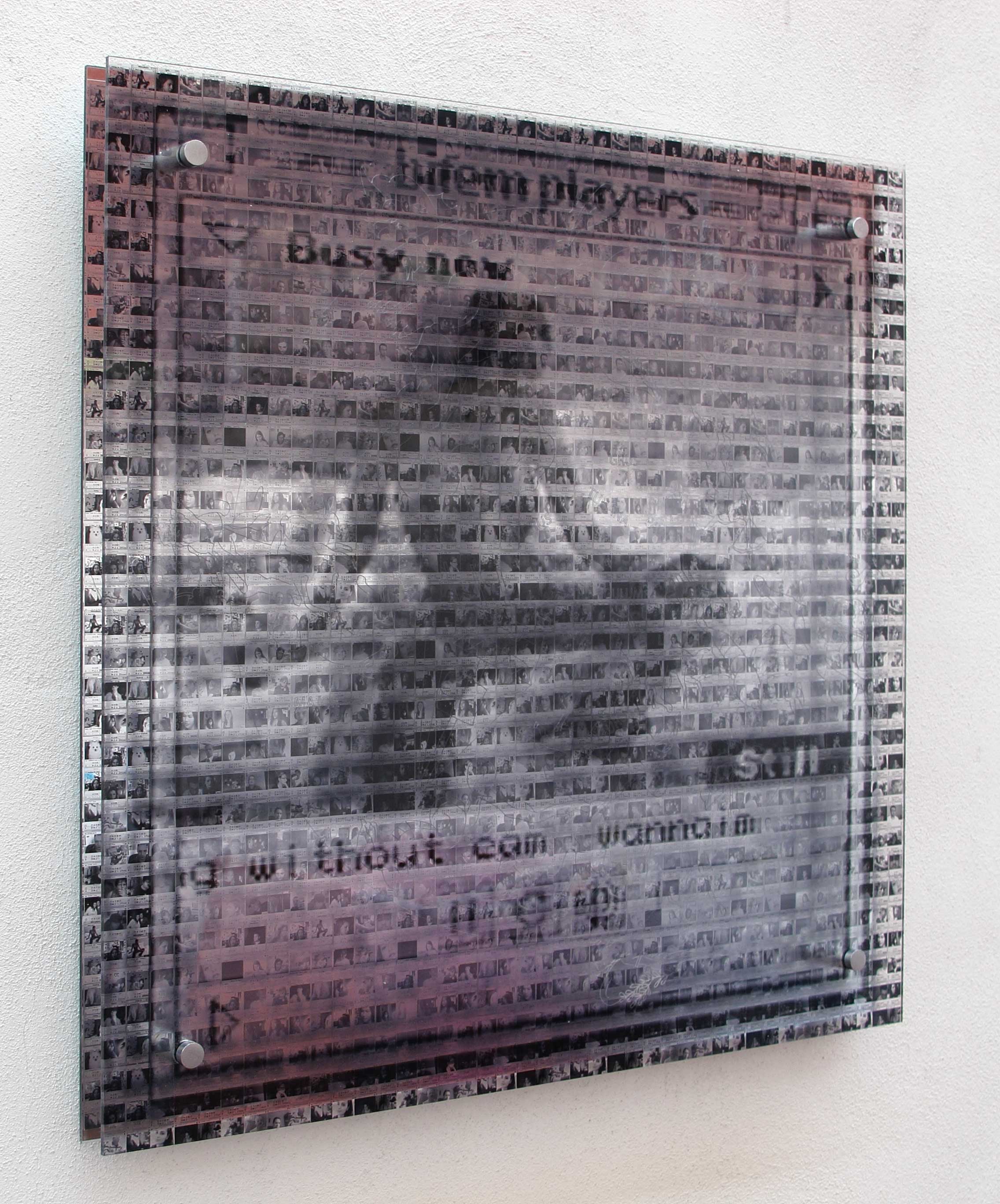
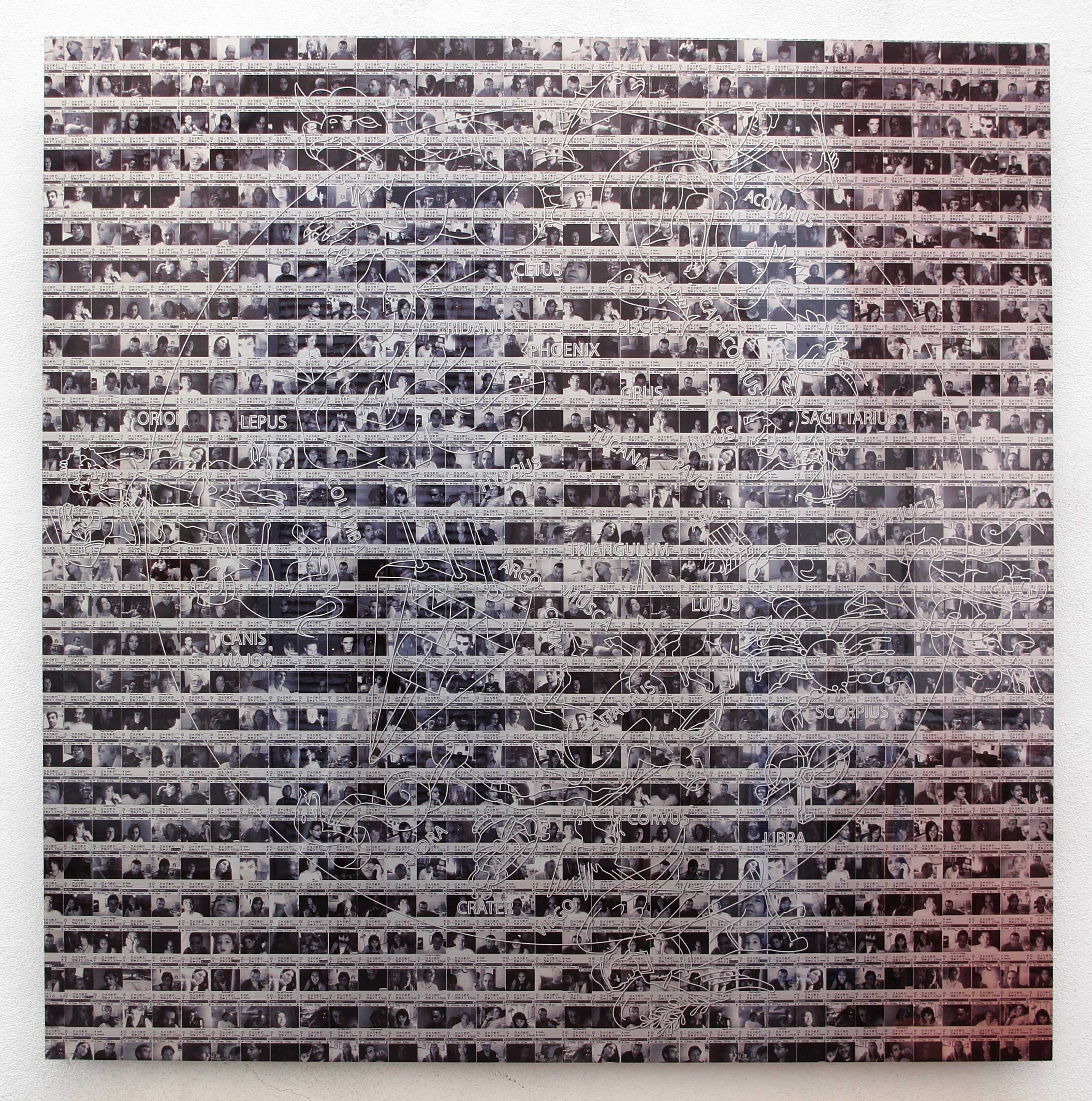
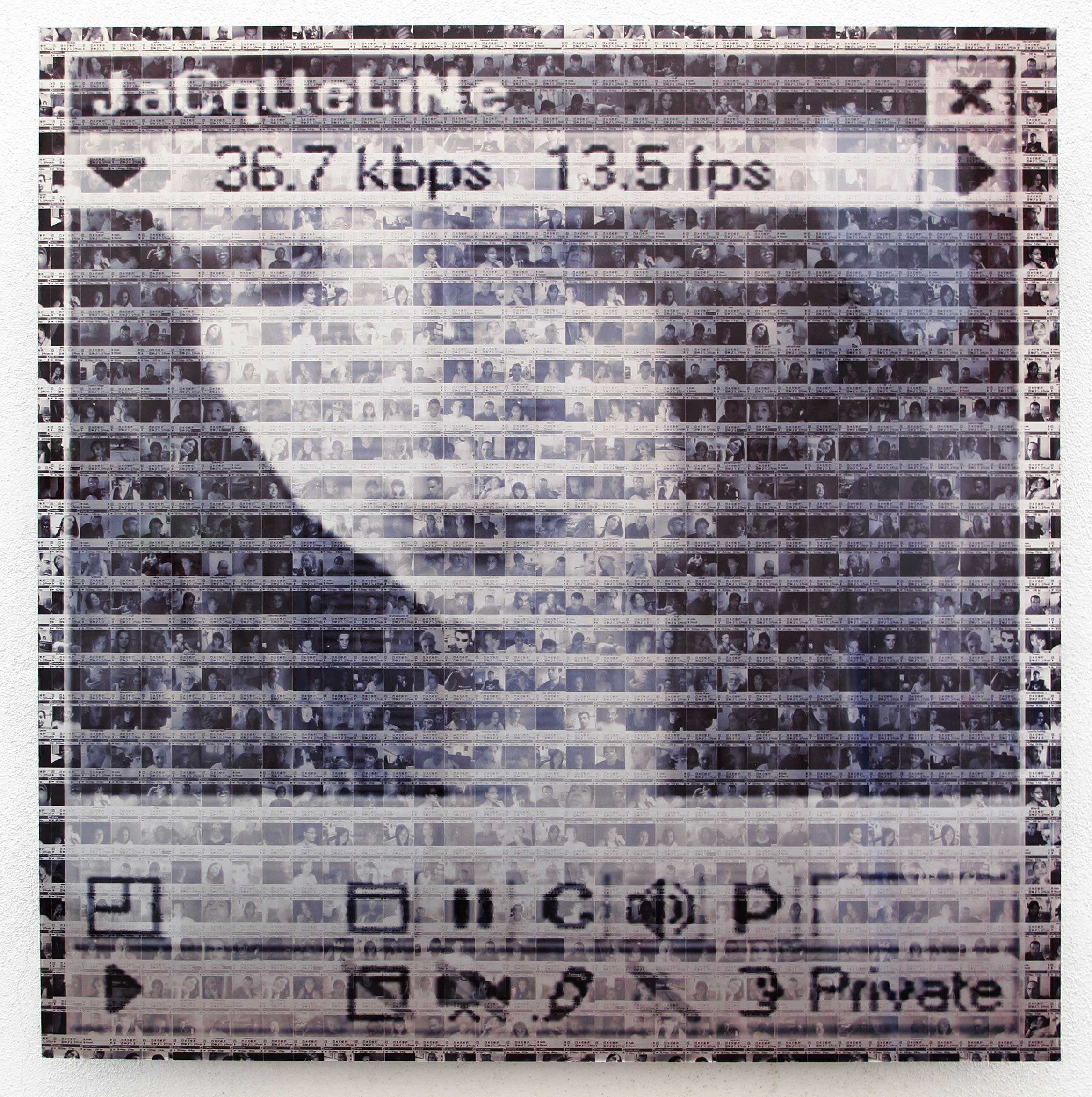
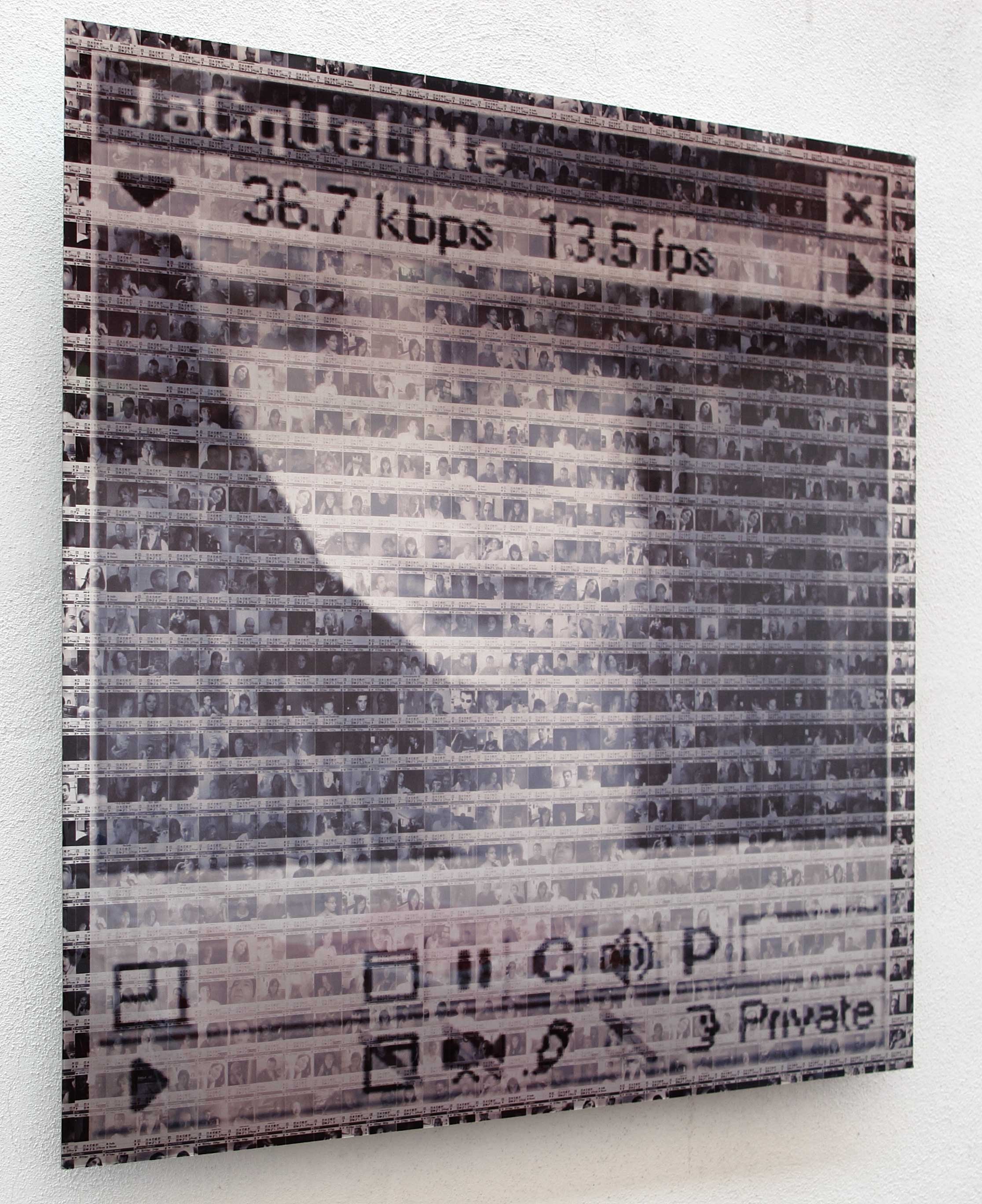
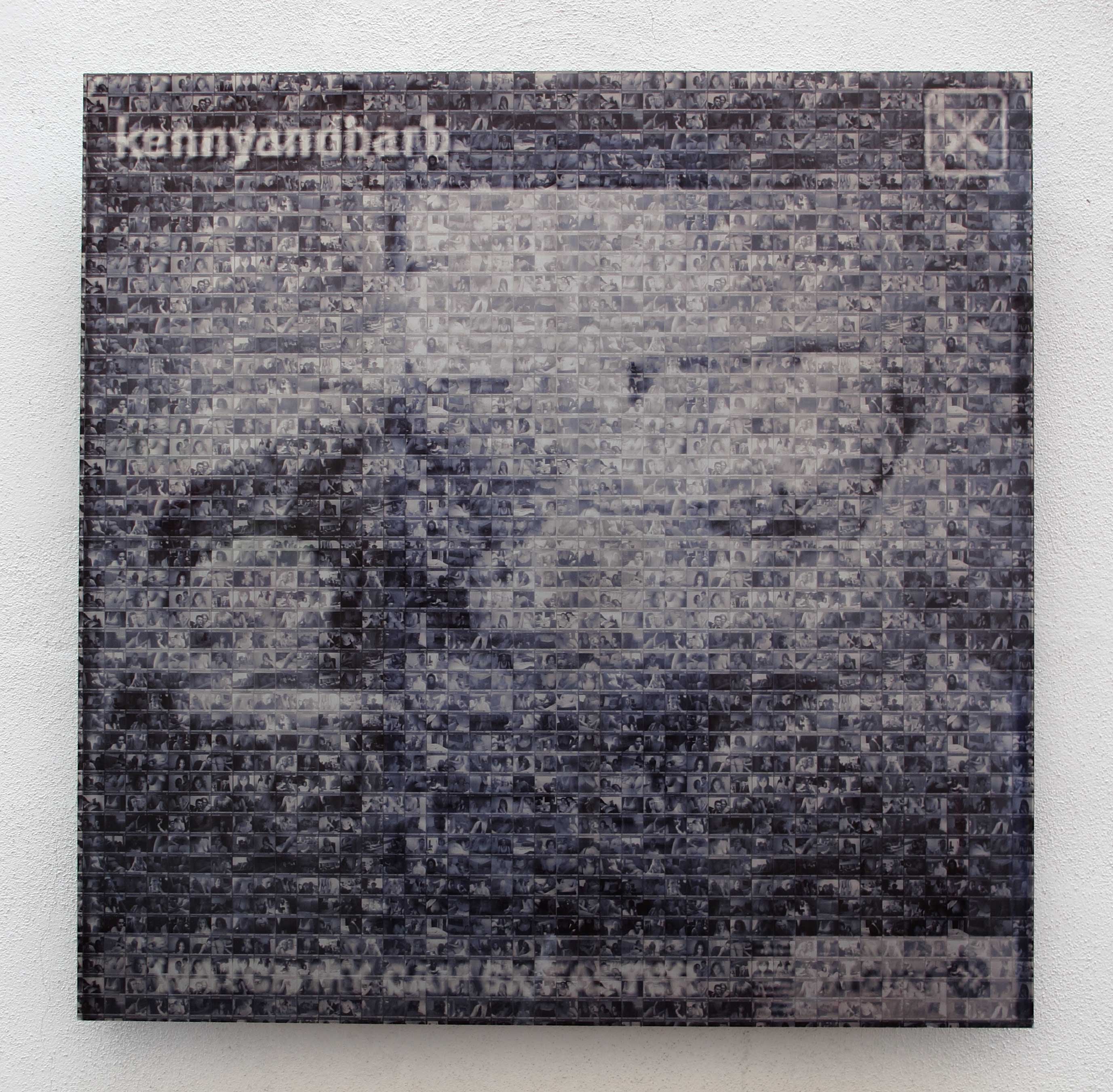
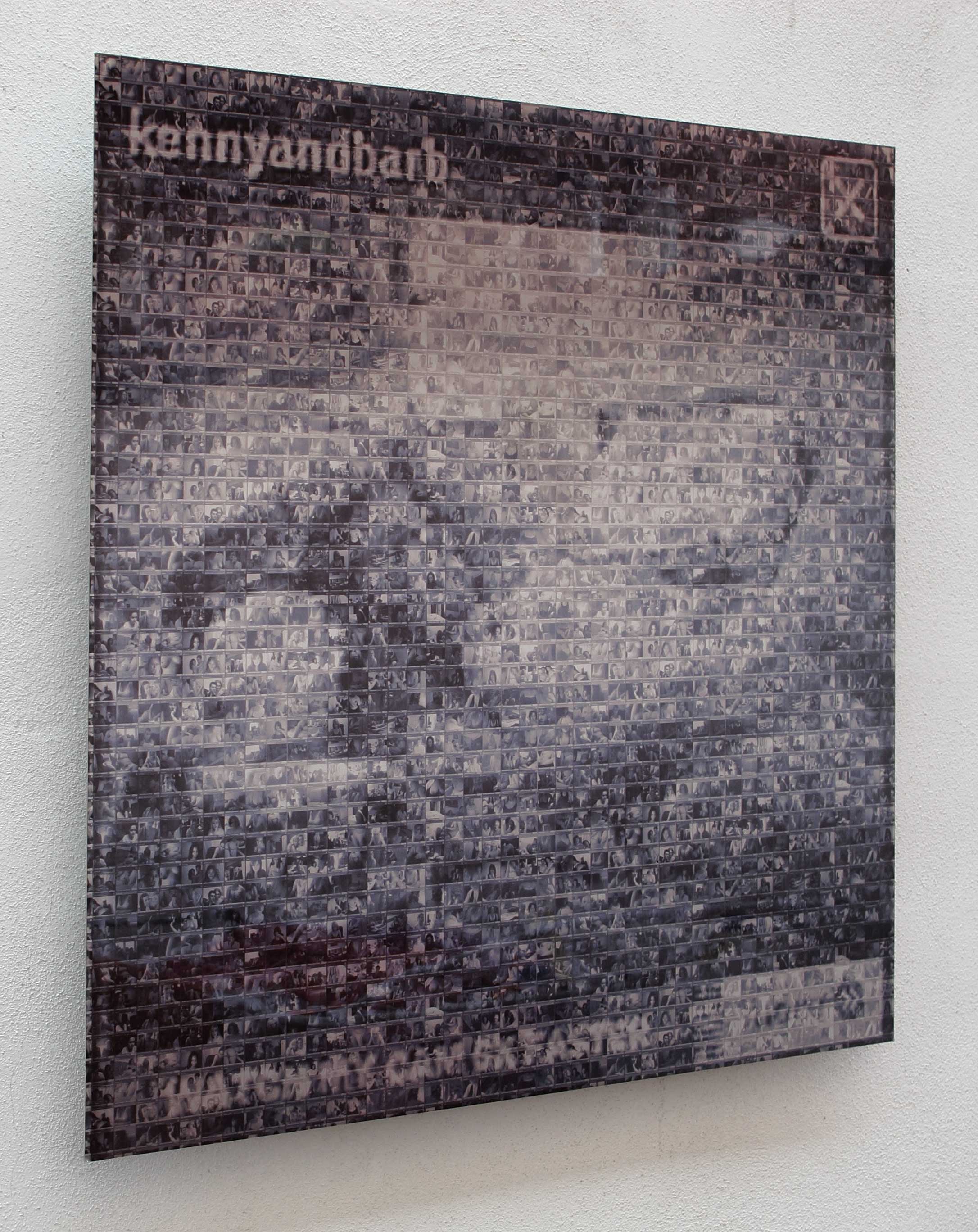
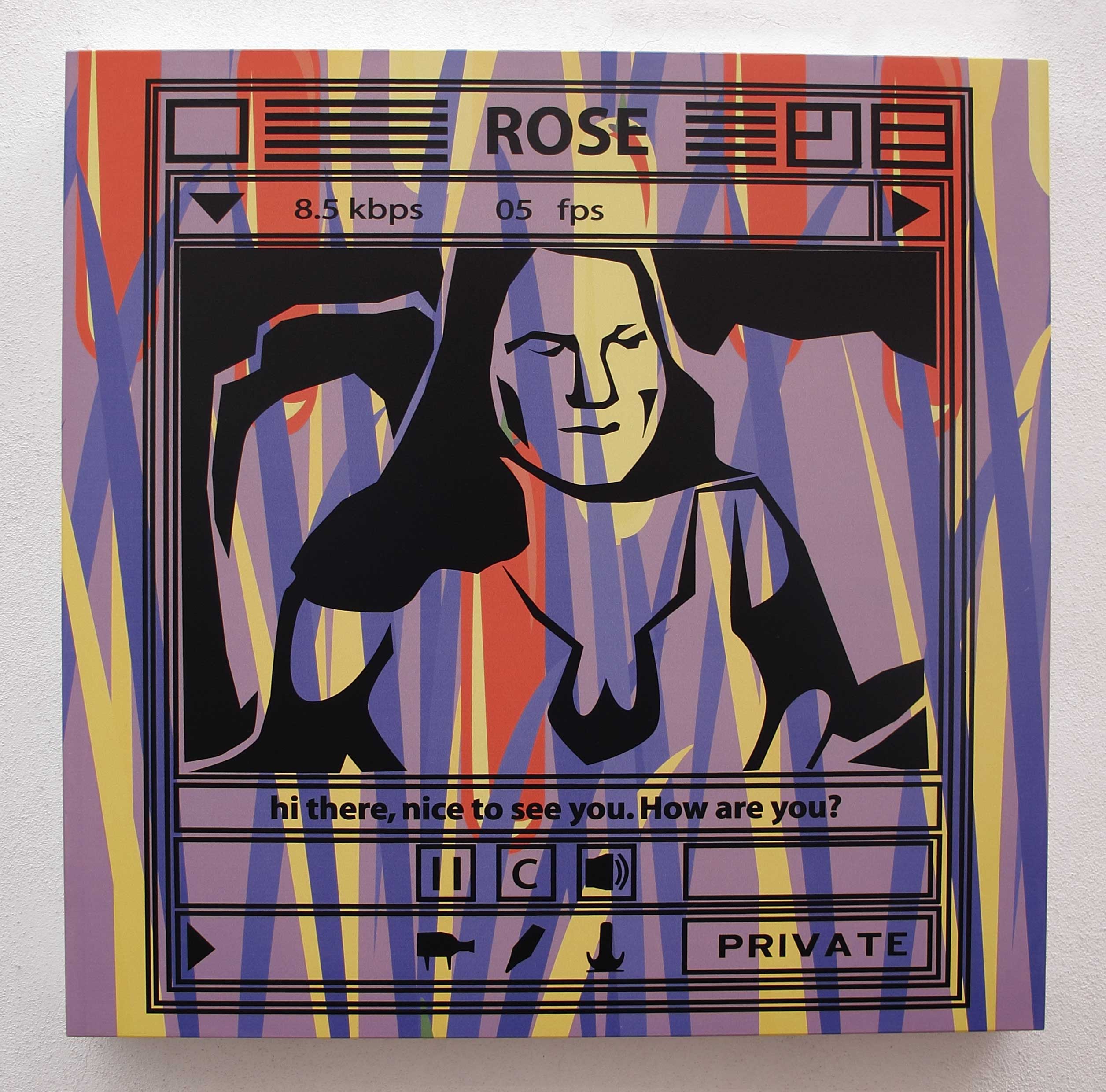
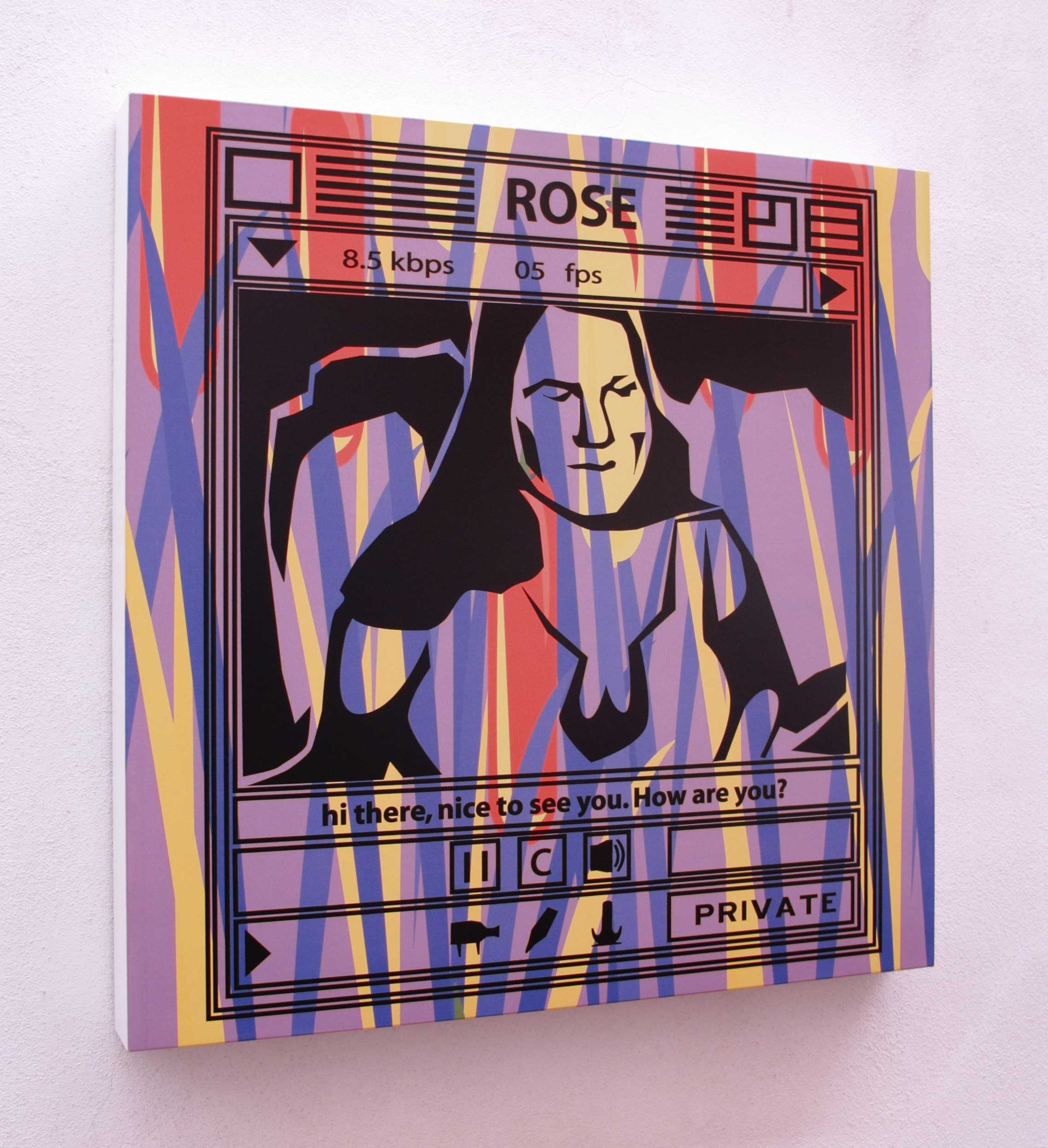
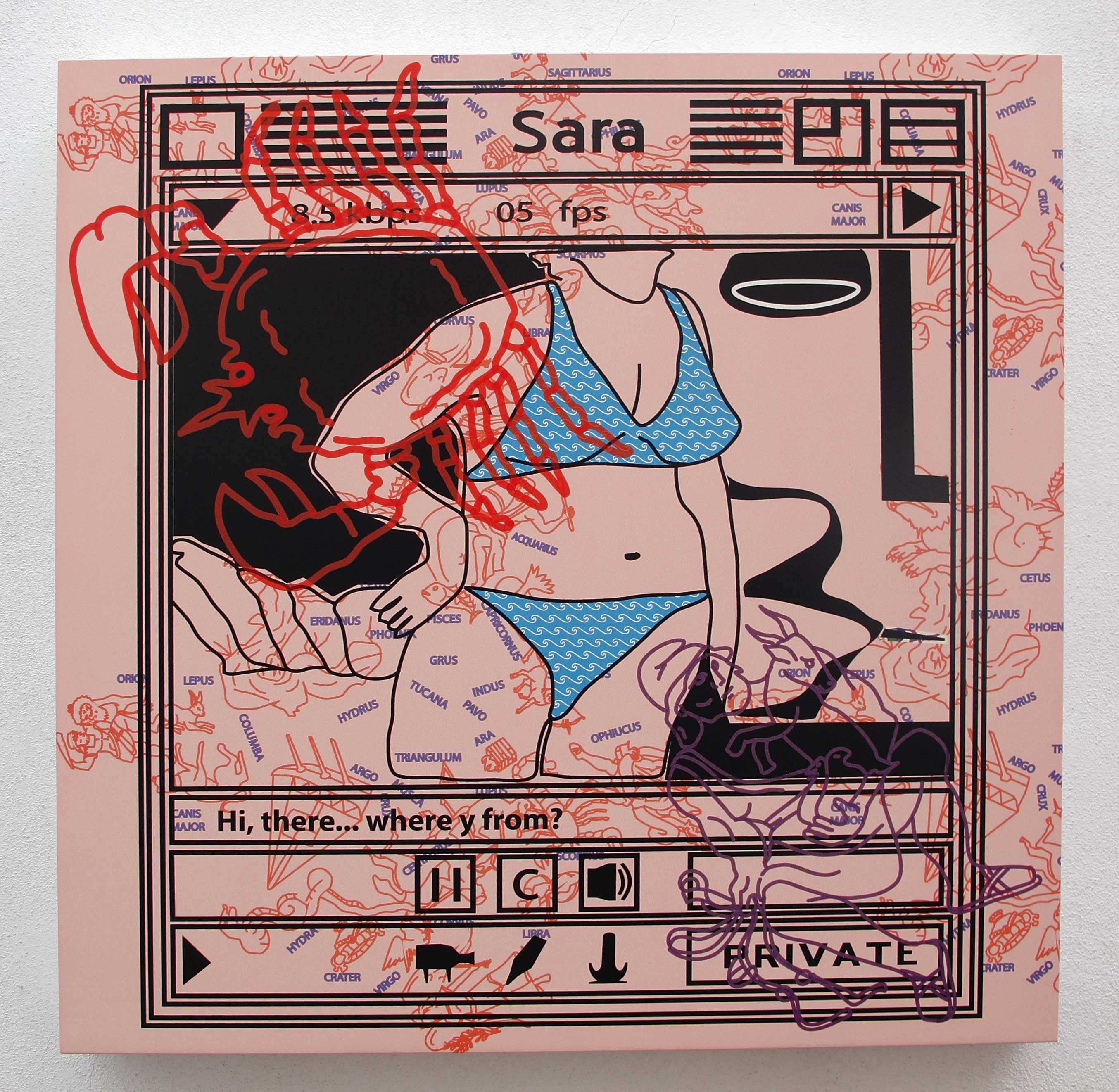
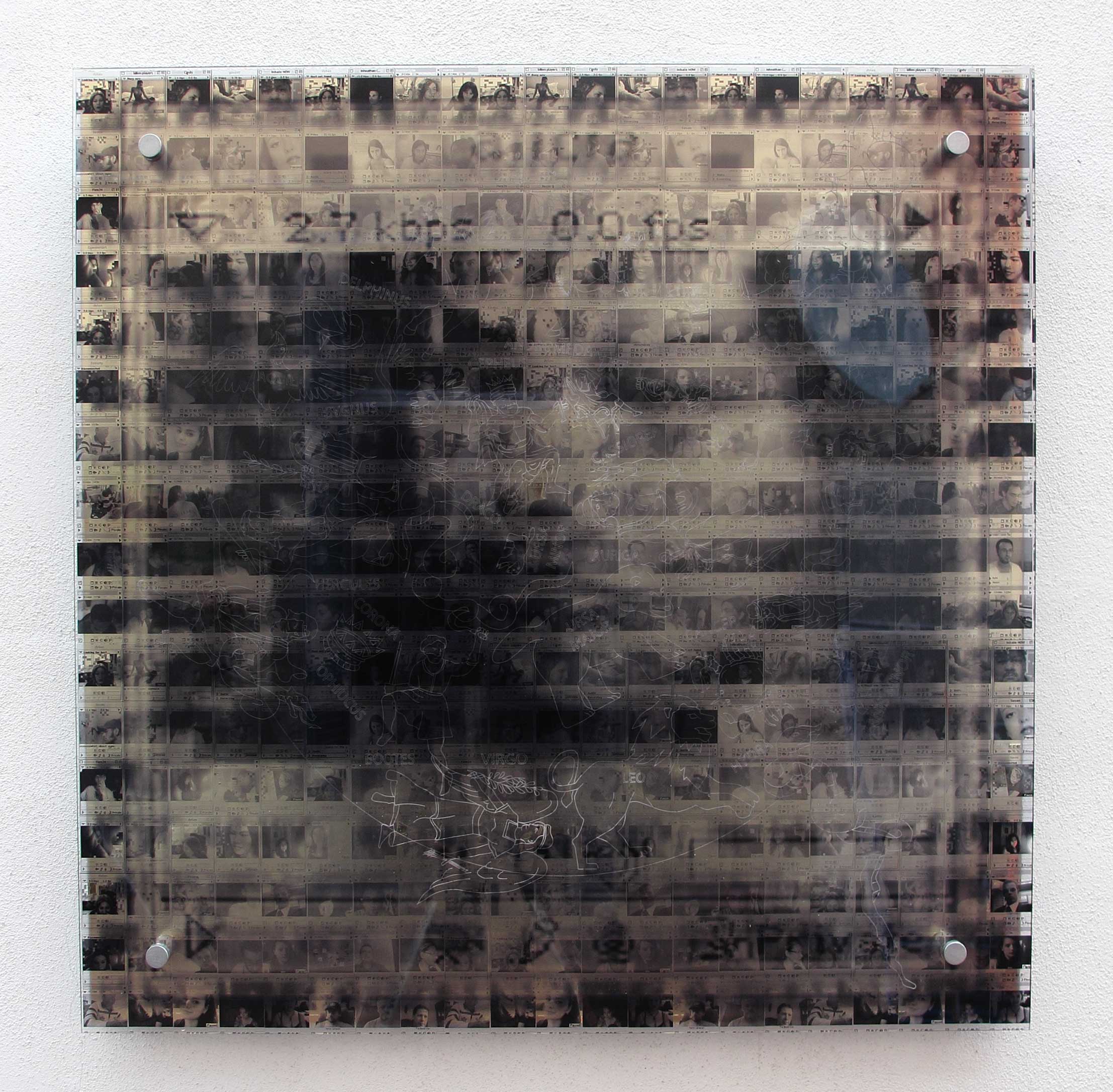
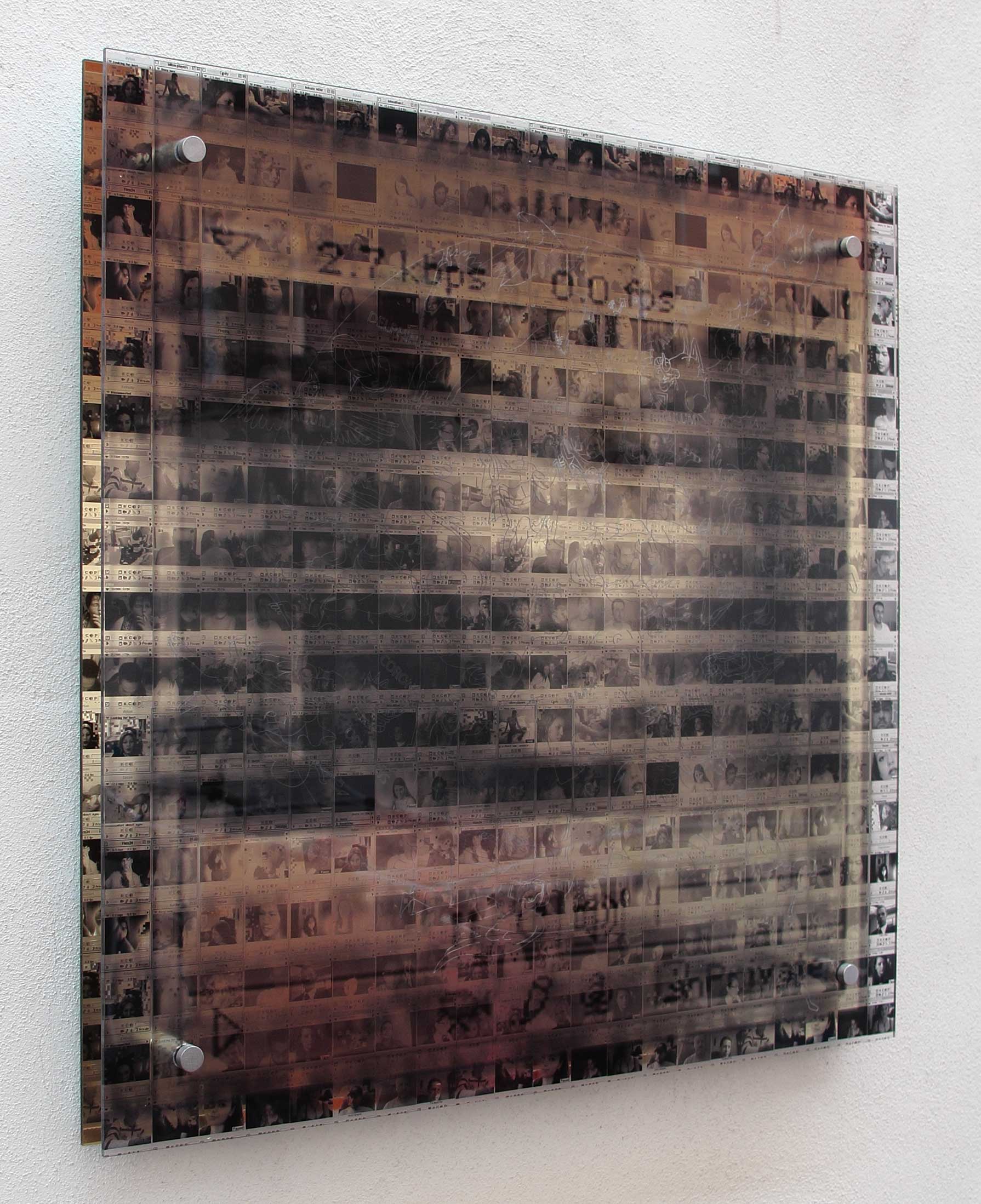
Chat Bodies comes from my experience in online chat platforms, which I have been using since 1996, when the web was still an unknown and intimate territory. Back then, digital relationships were not public performance but fragile and intense encounters built through words, pauses, silences, and projections. Each work in the series derives from real chat sessions: I transform conversations into images, allowing fragments of dialogue, emotional tension, and sudden interruptions to emerge. I am not interested in portraying the other person, but in mapping the relationship — that unstable space between two distant bodies trying to connect through a screen. If chat once served as a laboratory for identity, today the dynamics born there have become central to social media: the construction of self-image, exposed intimacy, fast and unstable bonds. With Chat Bodies I do not wish to judge technology but to observe it as a natural extension of the contemporary human body — a hybrid space where we continue to seek presence, recognition, and connection.


Chat Bodies nasce dalla mia esperienza nelle chat online, che pratico fin dal 1996, quando il web era ancora un territorio sconosciuto e intimo. In quegli anni le relazioni digitali non erano spettacolo pubblico, ma incontri fragili e intensi costruiti attraverso parole, attese, silenzi e proiezioni. Ogni opera della serie deriva da vere sessioni di chat: trasformo le conversazioni in immagini, lasciando emergere frammenti di dialogo, tensioni emotive, interruzioni improvvise. Non cerco di ritrarre l’altro, ma di mappare la relazione — quello spazio instabile tra due corpi distanti che tentano di connettersi attraverso uno schermo. Se allora la chat era un laboratorio identitario, oggi le dinamiche nate lì sono diventate il cuore dei social network: costruzione dell’immagine di sé, intimità esposta, legami rapidi e instabili. Con Chat Bodies non voglio giudicare la tecnologia, ma guardarla come una naturale estensione del corpo umano contemporaneo, un luogo ibrido in cui continuiamo a cercare presenza, riconoscimento e contatto.
Enter the NFT's work

Lavoro 3 immagine 1 Lavoro 3 immagine 2 Lavoro 3 immagine 3 Lavoro 3 immagine 4 Lavoro 3 immagine 5 Lavoro 3 immagine 6 Lavoro 3 immagine 7 Lavoro 3 immagine 8 Lavoro 3 immagine 9 Lavoro 3 immagine 10 Lavoro 3 immagine 11 Lavoro 3 immagine 12 Lavoro 3 immagine 13 Lavoro 3 immagine 14 Lavoro 3 immagine 15

Title:INCHAT — Constellating the Network (2007)

Read more

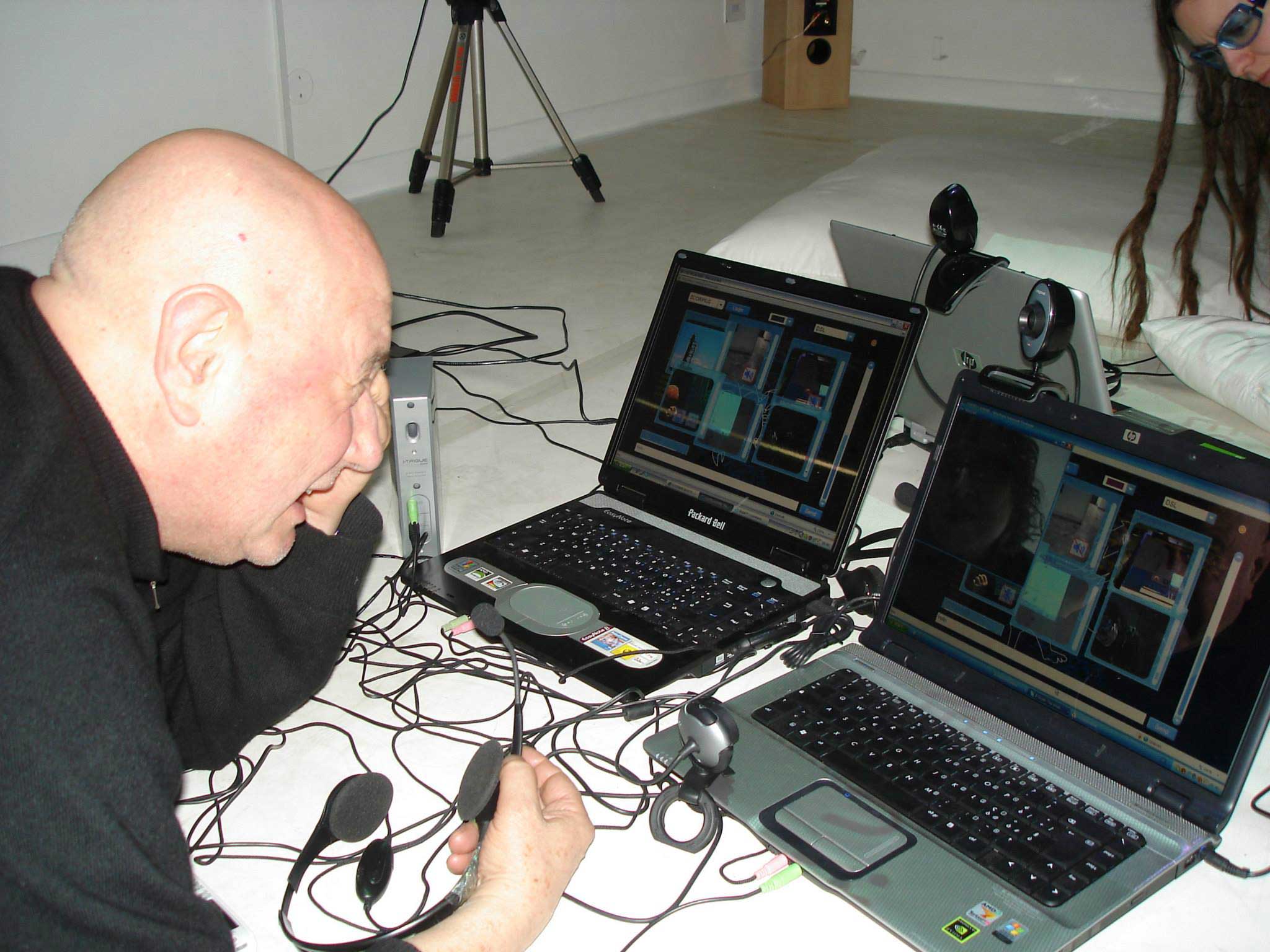
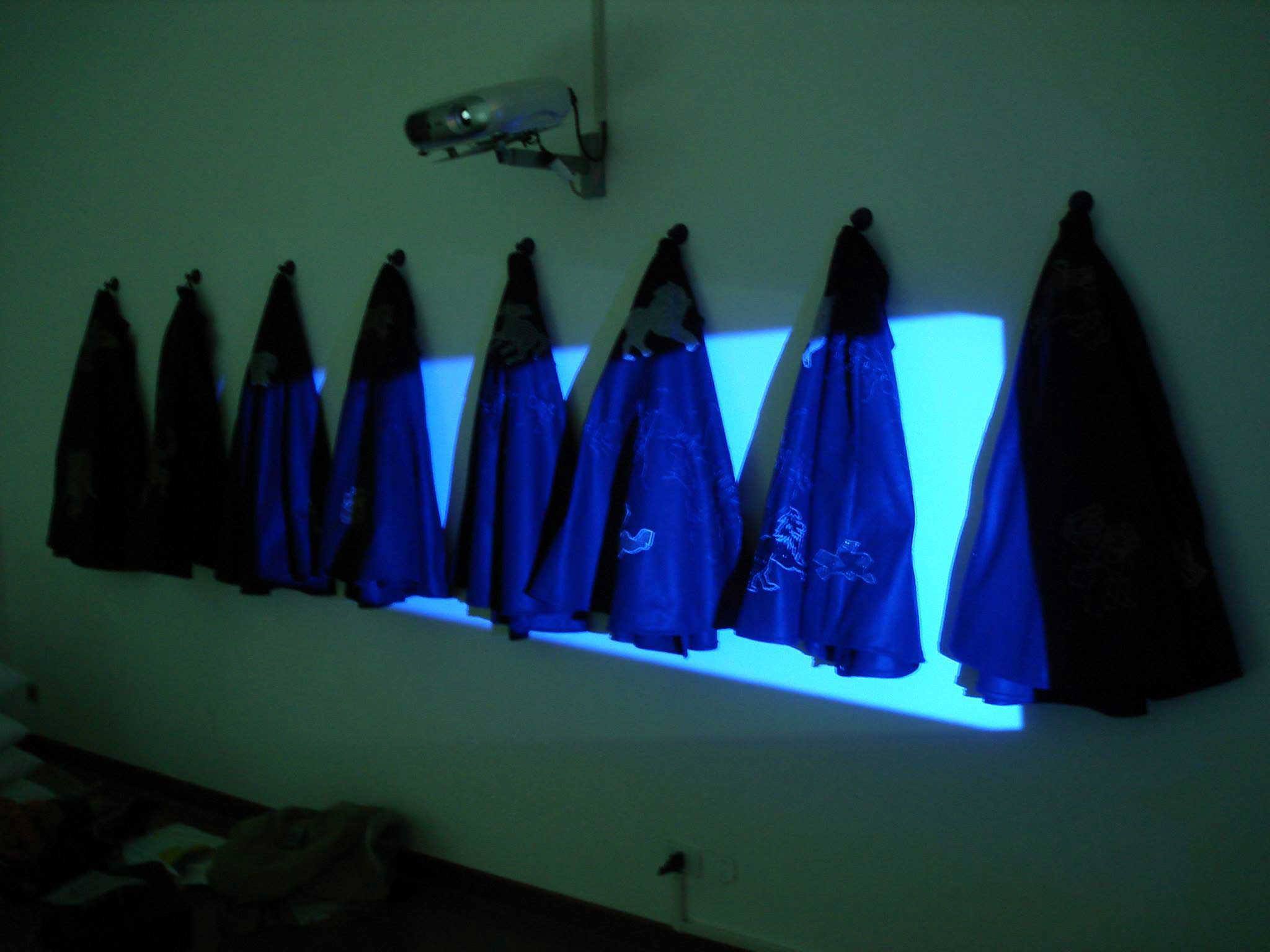
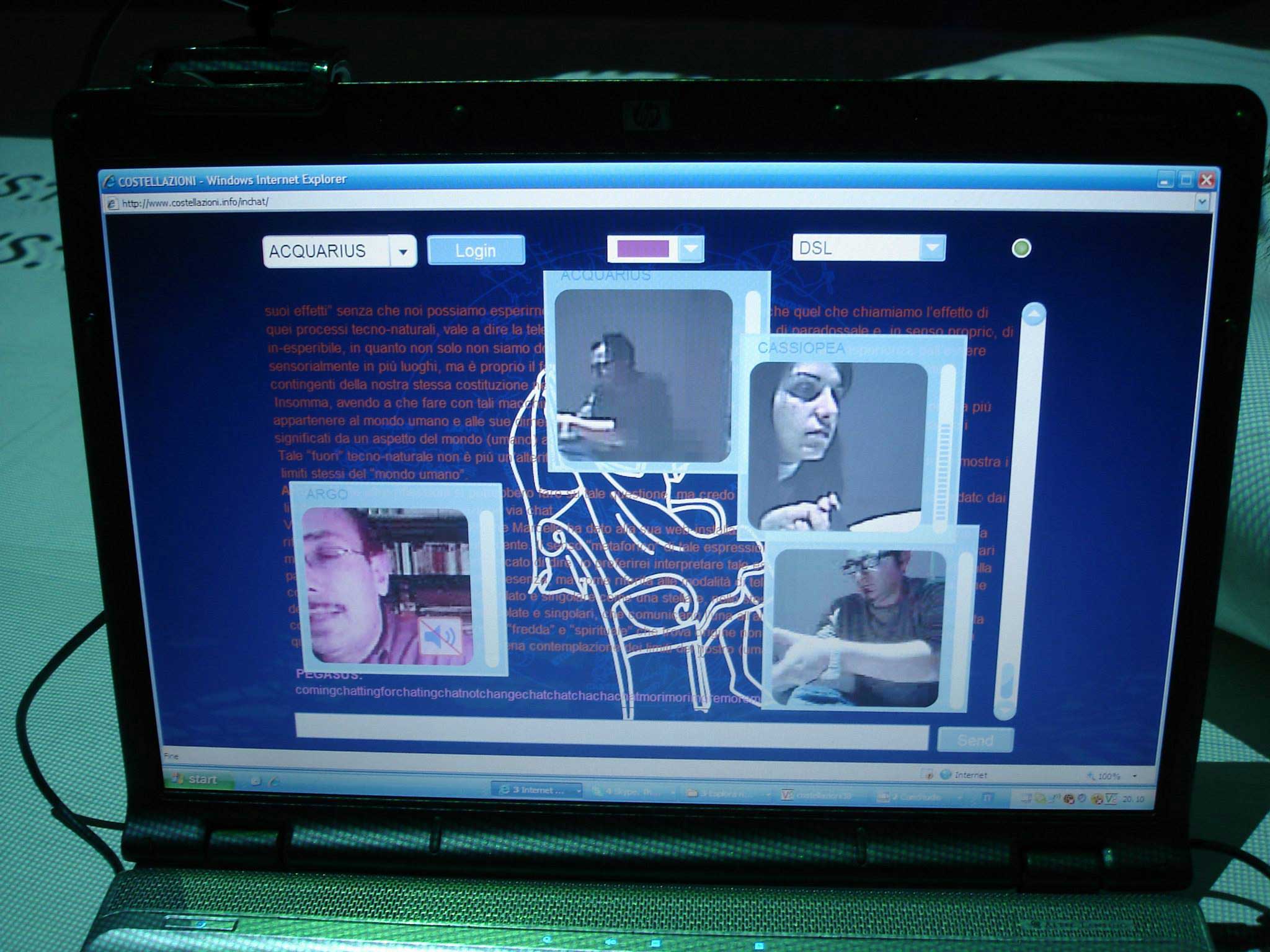
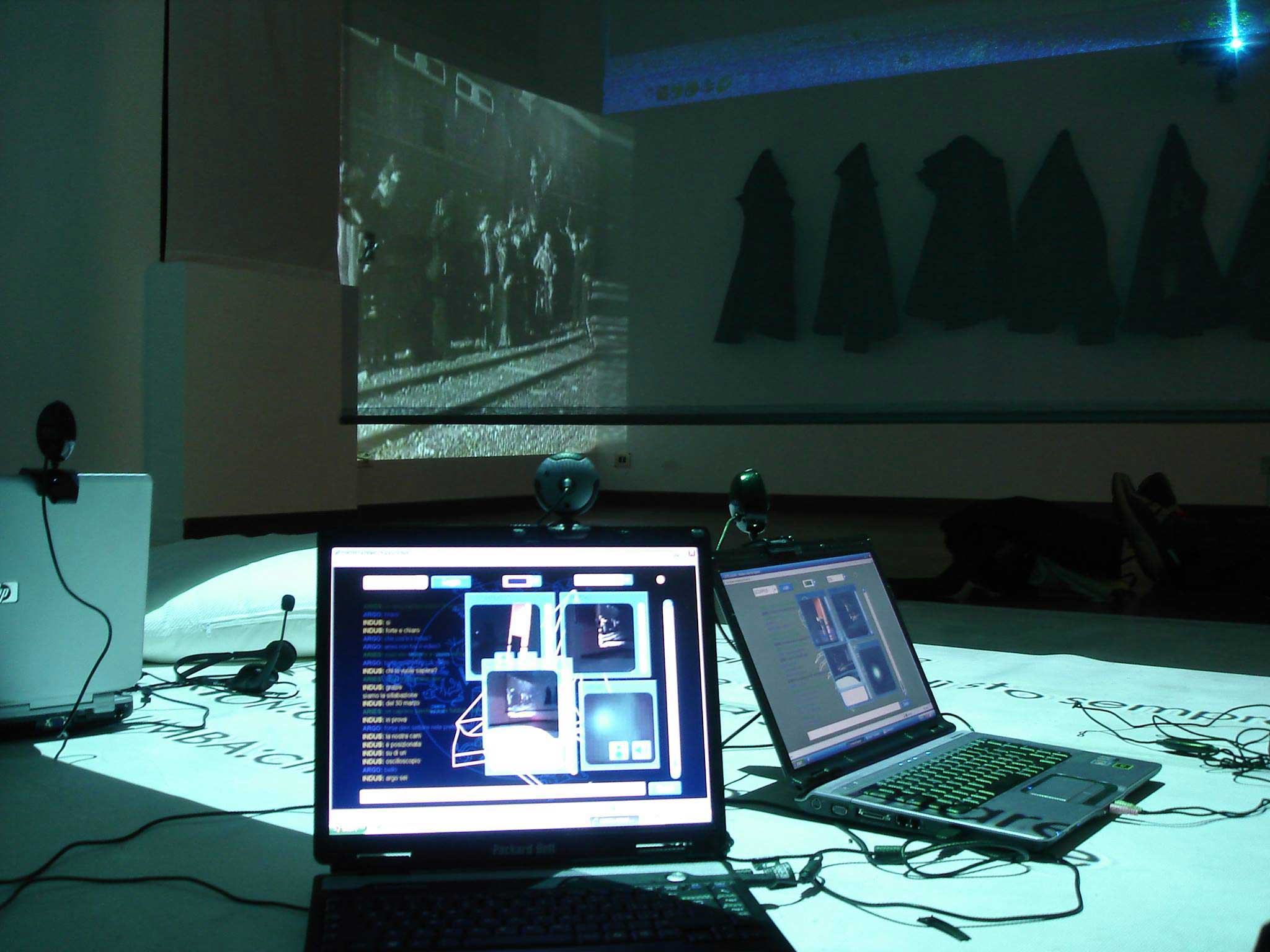
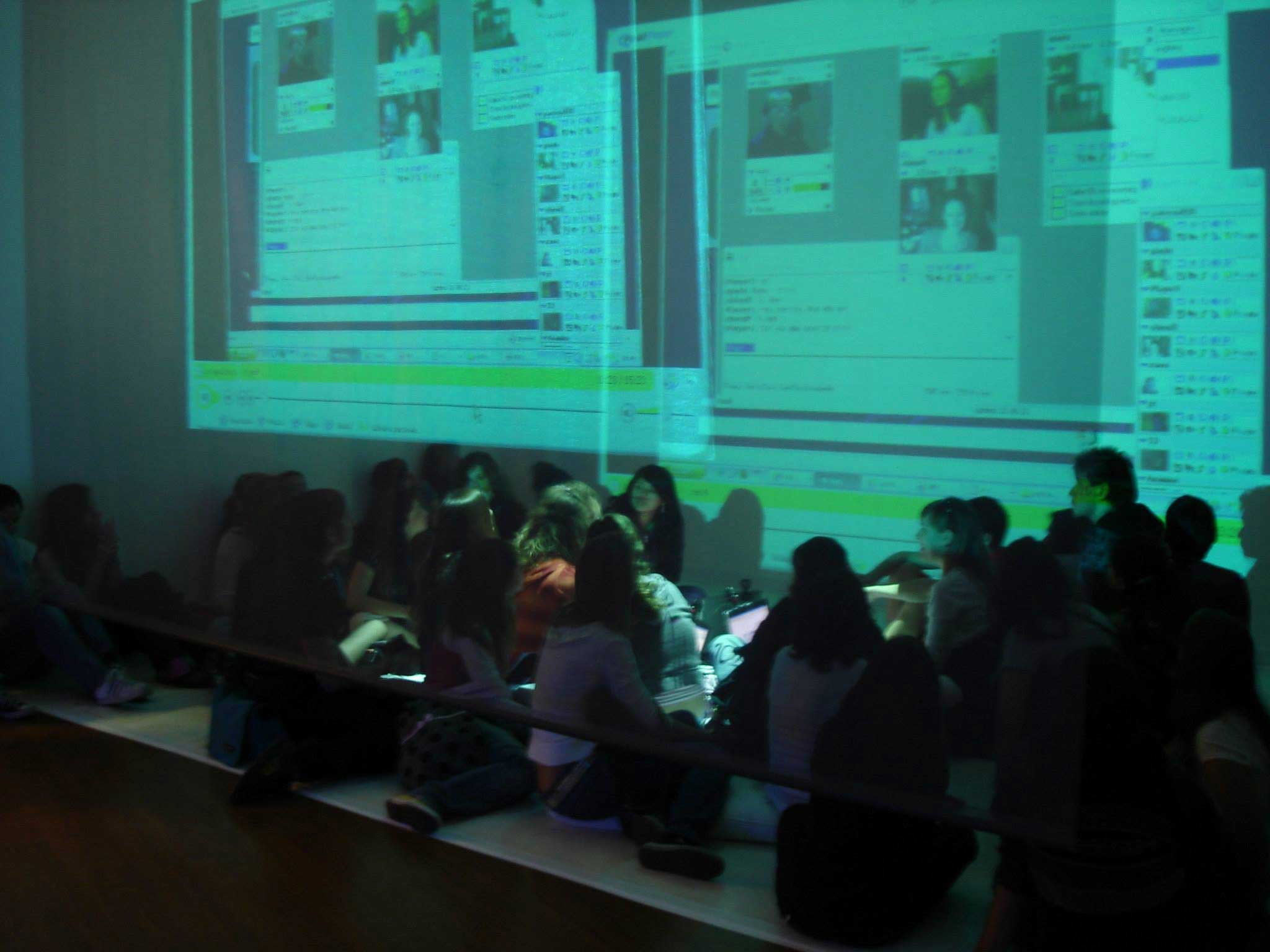
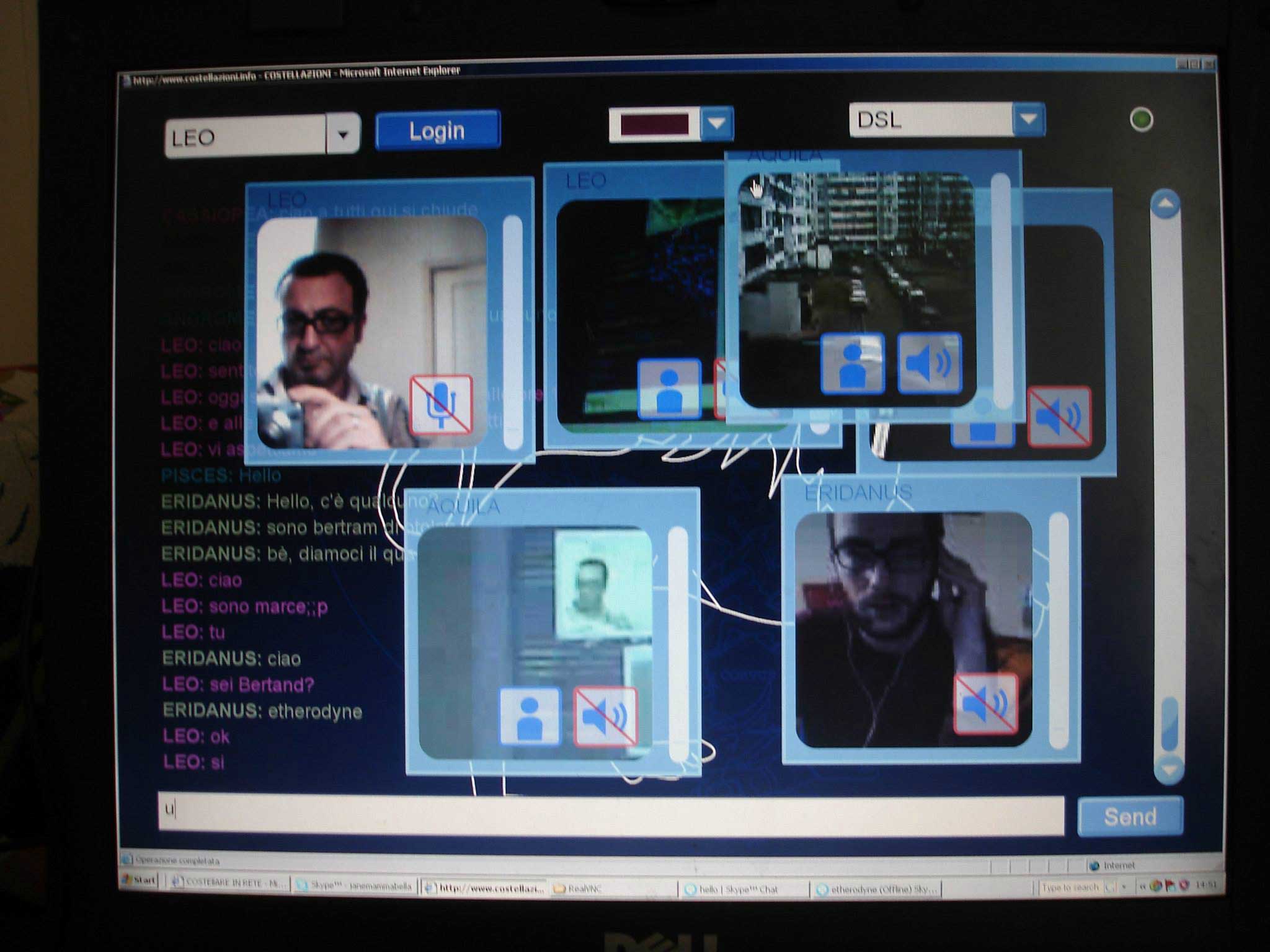
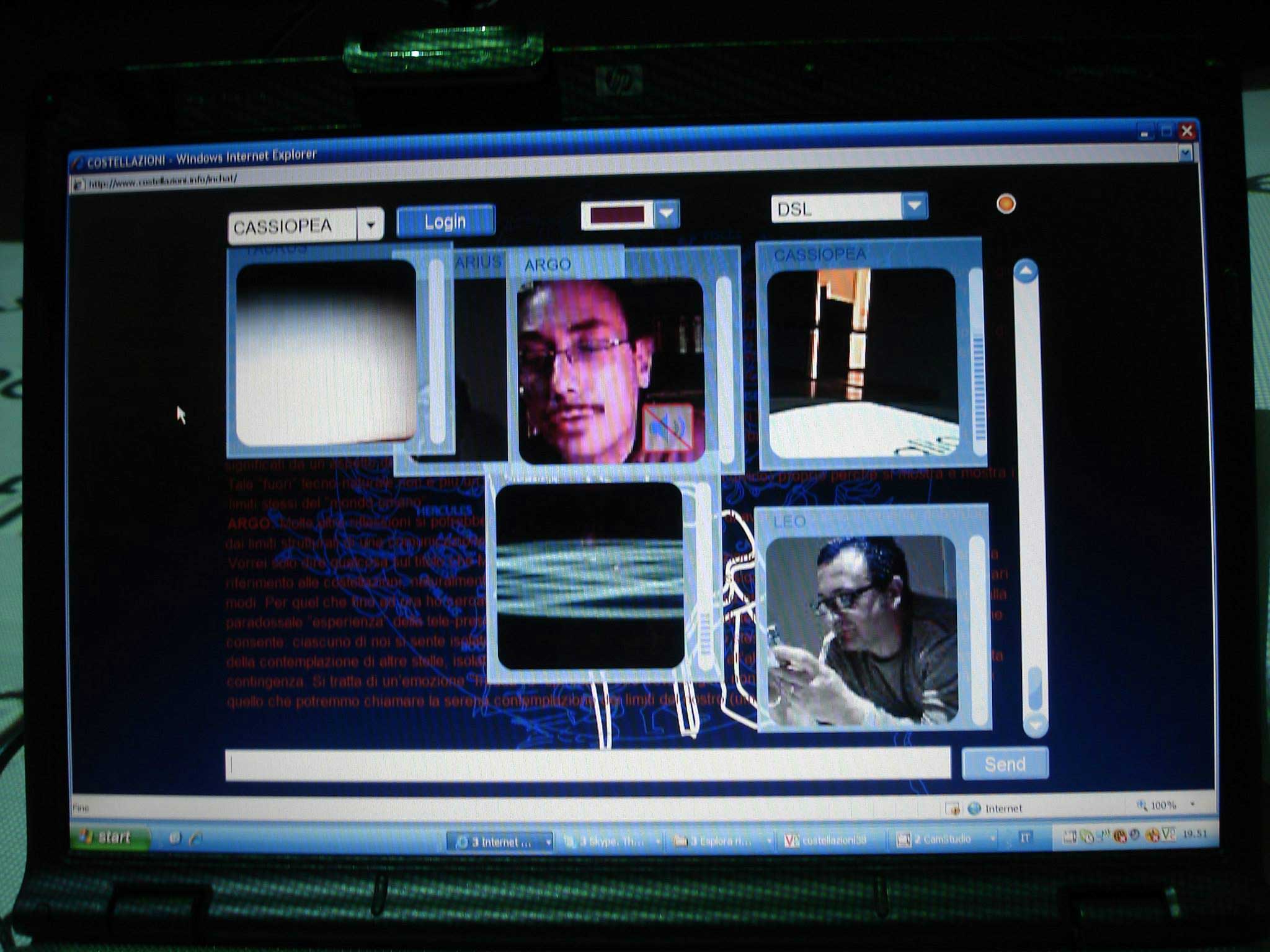
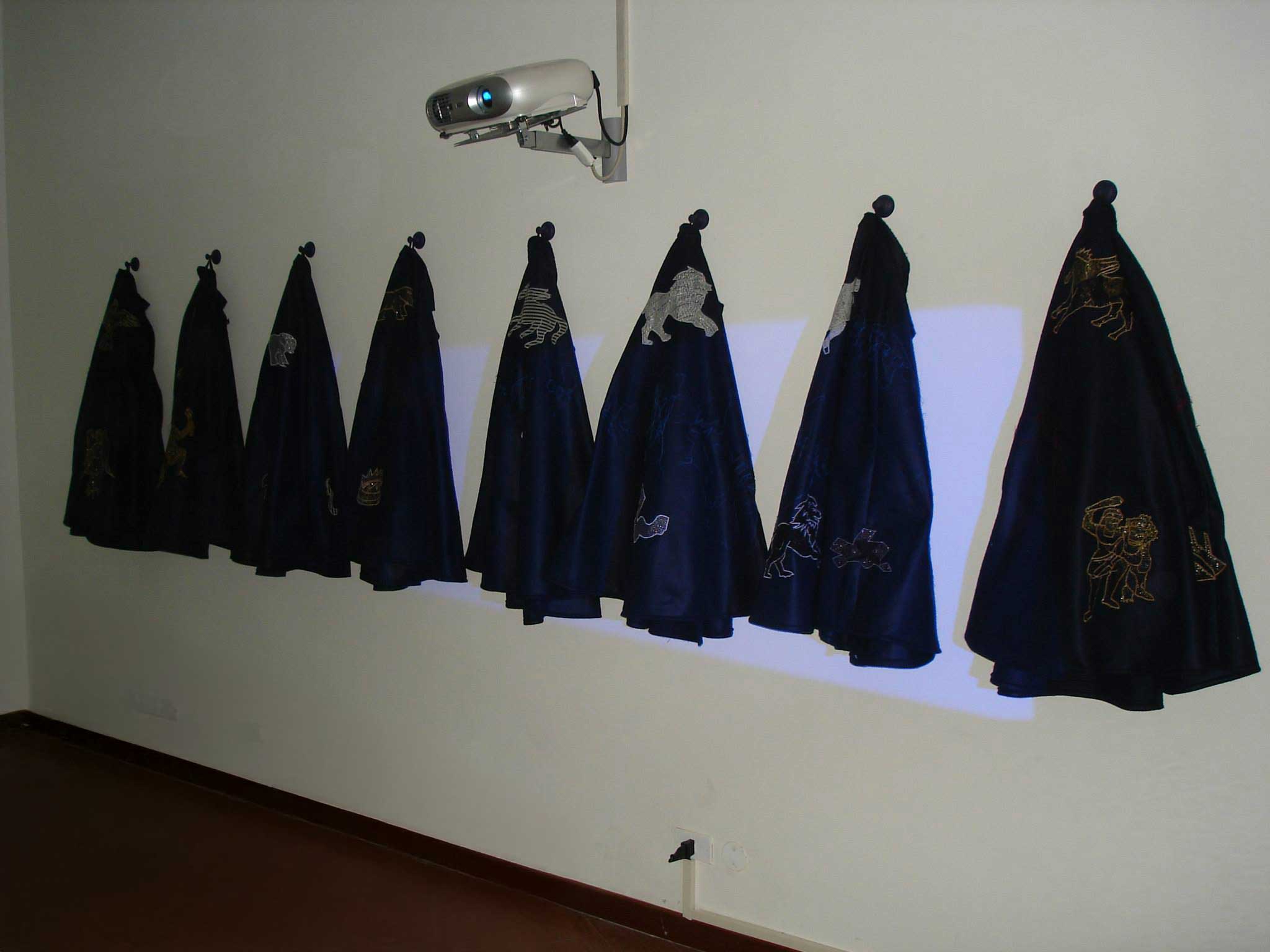
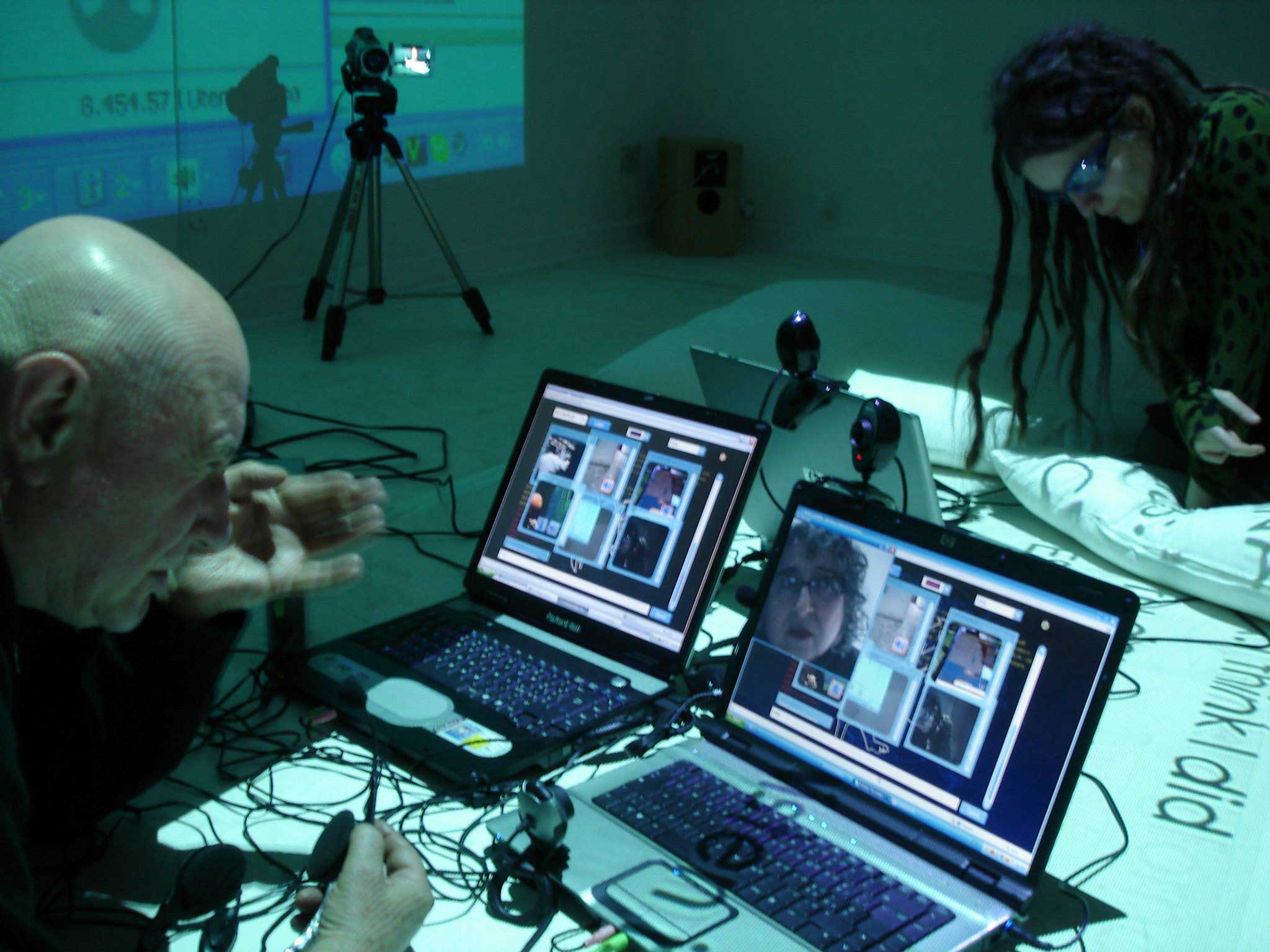
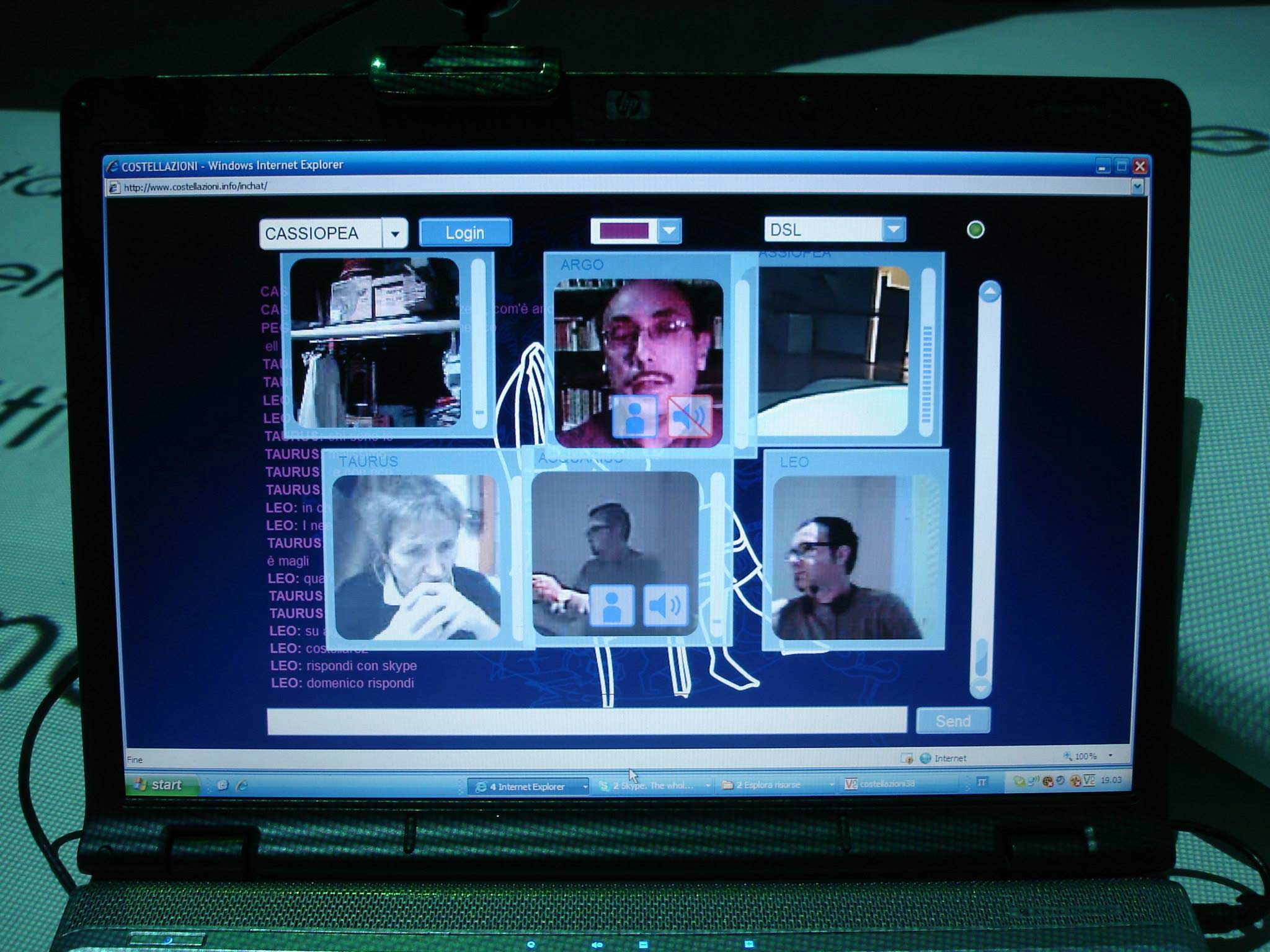
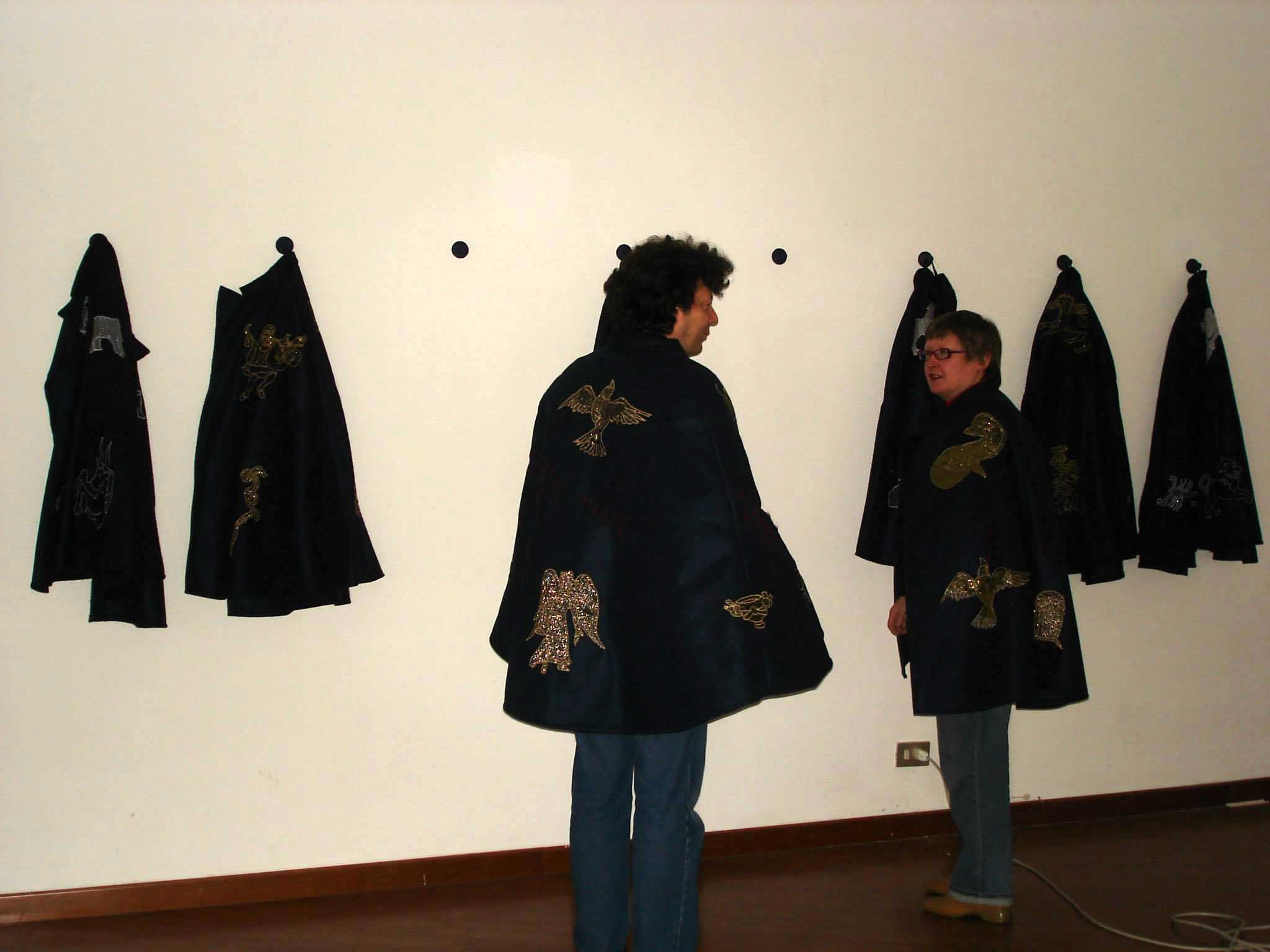
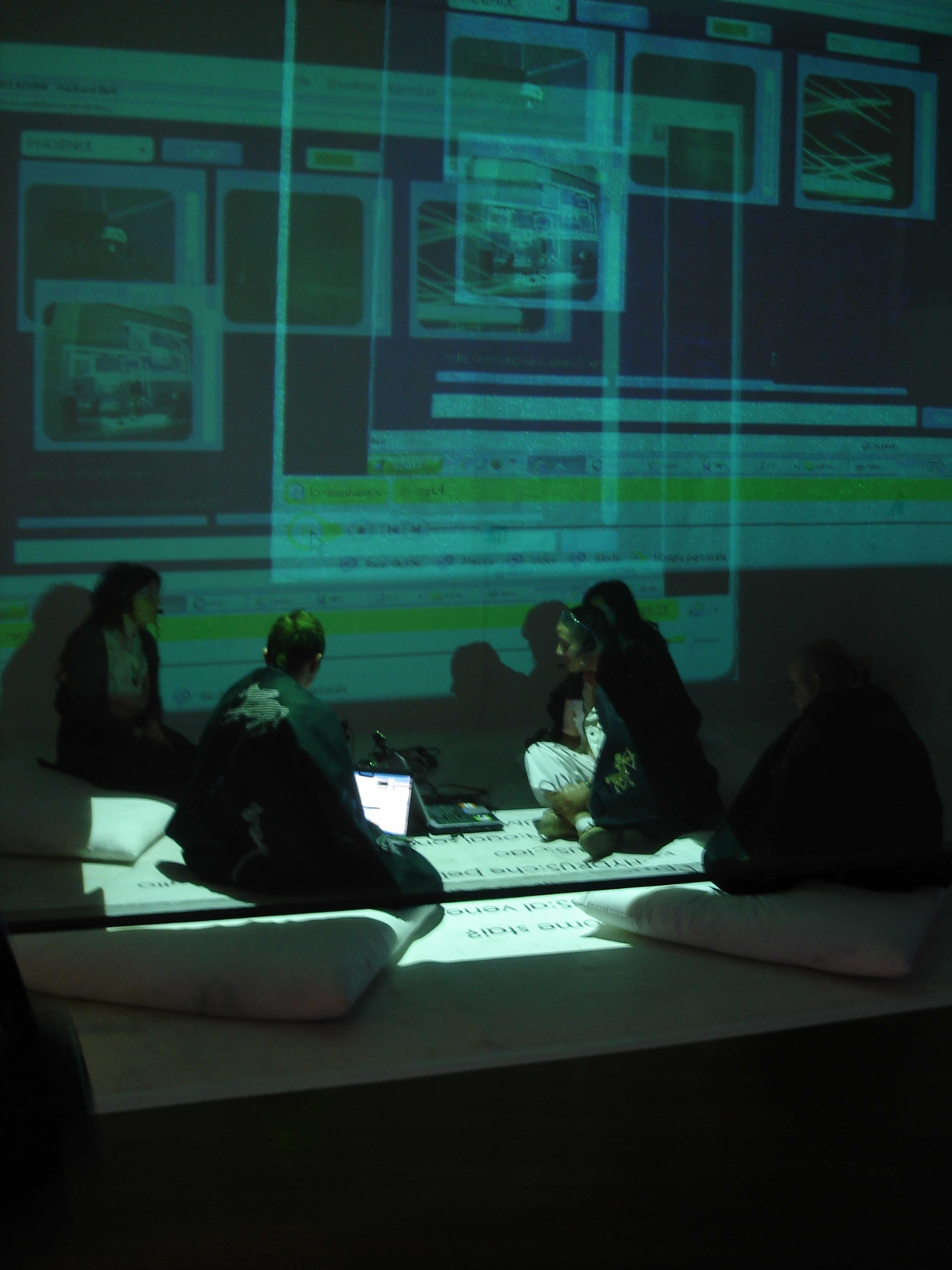
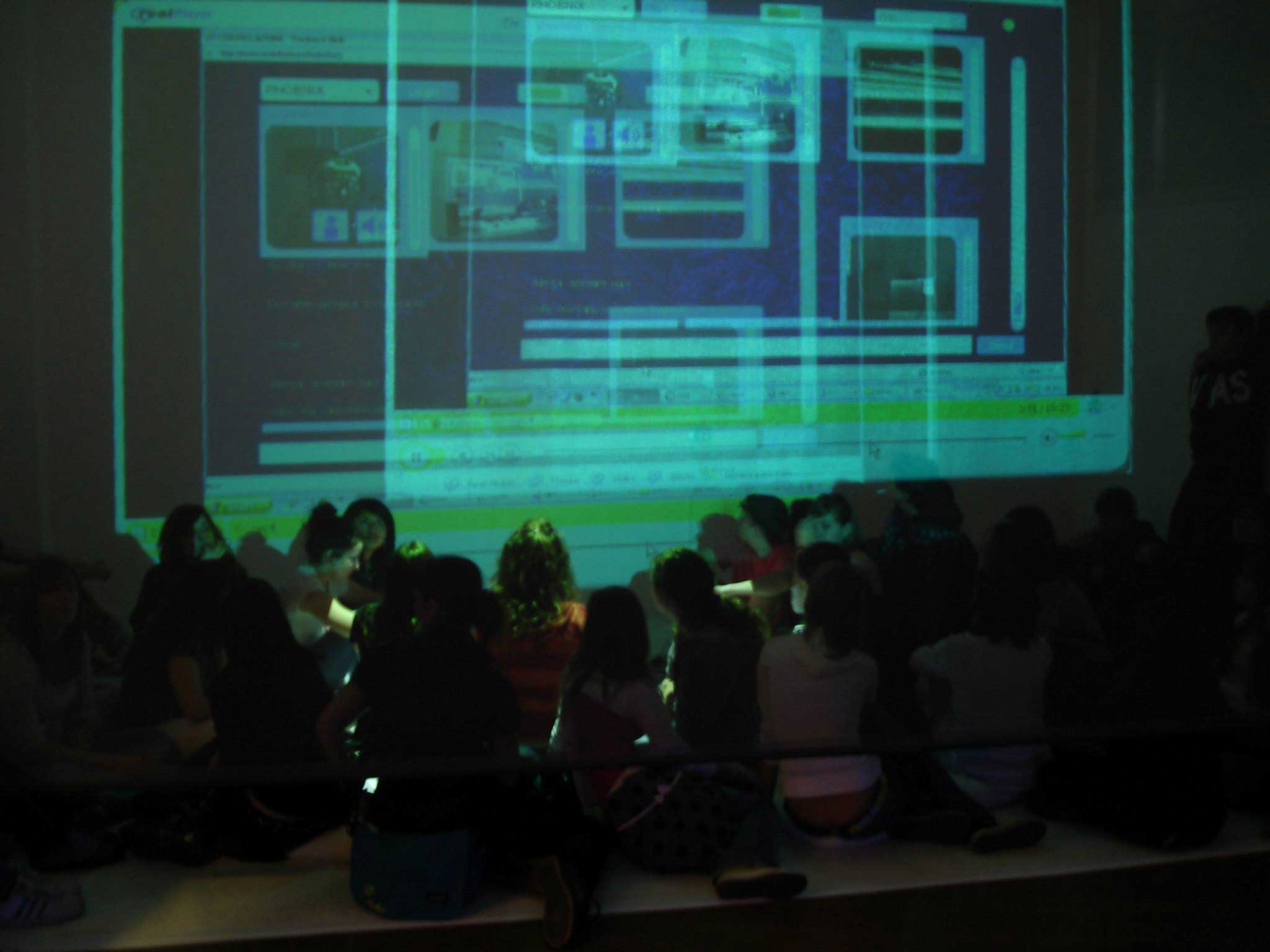
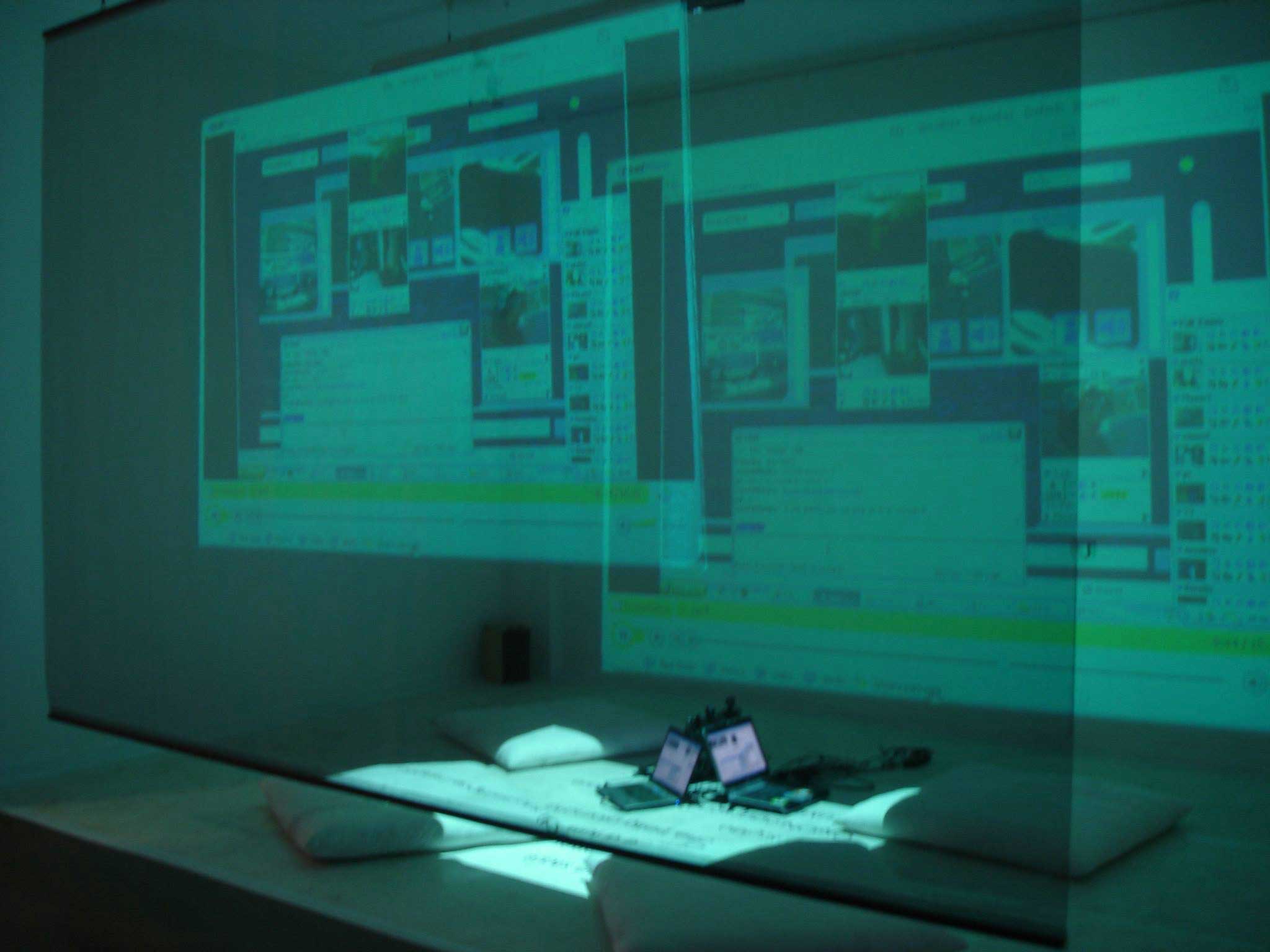
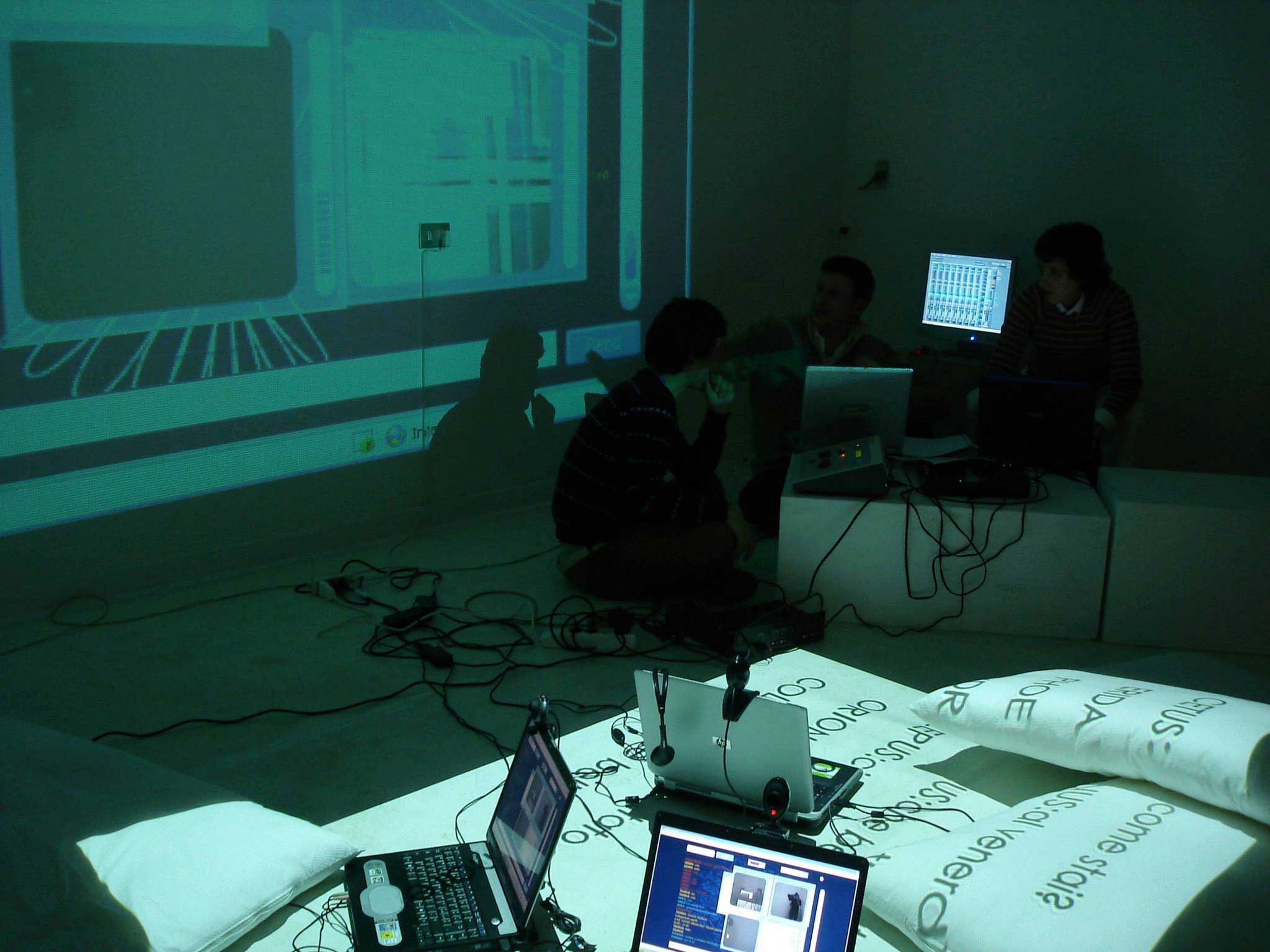
INCHAT — Constellating the Network (2007) GAM – Galleria d’Arte Moderna di Gallarate Inchat — Constellating the Network is an interactive installation that brings together the body, technology and a cosmic imaginary. A custom software allowed participants to connect online and chat using names taken from the constellations of the northern and southern hemispheres, transforming the network into a symbolic map of presences. The installation featured embroidered capes representing all the constellations — half in gold and half in silver — which visitors could wear to take part in the experience, within a space divided between physical and digital dimensions. Over two months, the work hosted a program of events involving artists, musicians, performers, philosophers and art critics, who interacted exclusively through the chat. The installation explores the threshold between presence and distance, physical and online identity, turning the network into a constellation of relationships.


Inchat — Costellare in rete è un’installazione interattiva che mette in dialogo corpo, tecnologia e immaginario cosmico. Per l’occasione è stato sviluppato un software che permetteva ai partecipanti di collegarsi online e chattare assumendo nomi legati alle costellazioni dell’emisfero boreale e australe, trasformando la rete in una mappa simbolica di presenze. In mostra erano disponibili mantelle ricamate con tutte le costellazioni — metà in oro e metà in argento — che i visitatori potevano indossare per partecipare all’esperienza, in uno spazio diviso tra dimensione reale e digitale. Durante i due mesi di attivazione, l’installazione ha ospitato un programma di interventi con artisti, musicisti, performer, filosofi e critici d’arte, che interagivano esclusivamente via chat. L’opera esplora il confine tra presenza e distanza, identità fisica e identità online, trasformando la rete in una costellazione di relazioni.

Lavoro 4 immagine 1 Lavoro 4 immagine 2 Lavoro 4 immagine 3 Lavoro 4 immagine 4 Lavoro 4 immagine 5 Lavoro 4 immagine 6 Lavoro 4 immagine 7 Lavoro 4 immagine 8

Title:Syncrorama 2003

Read more

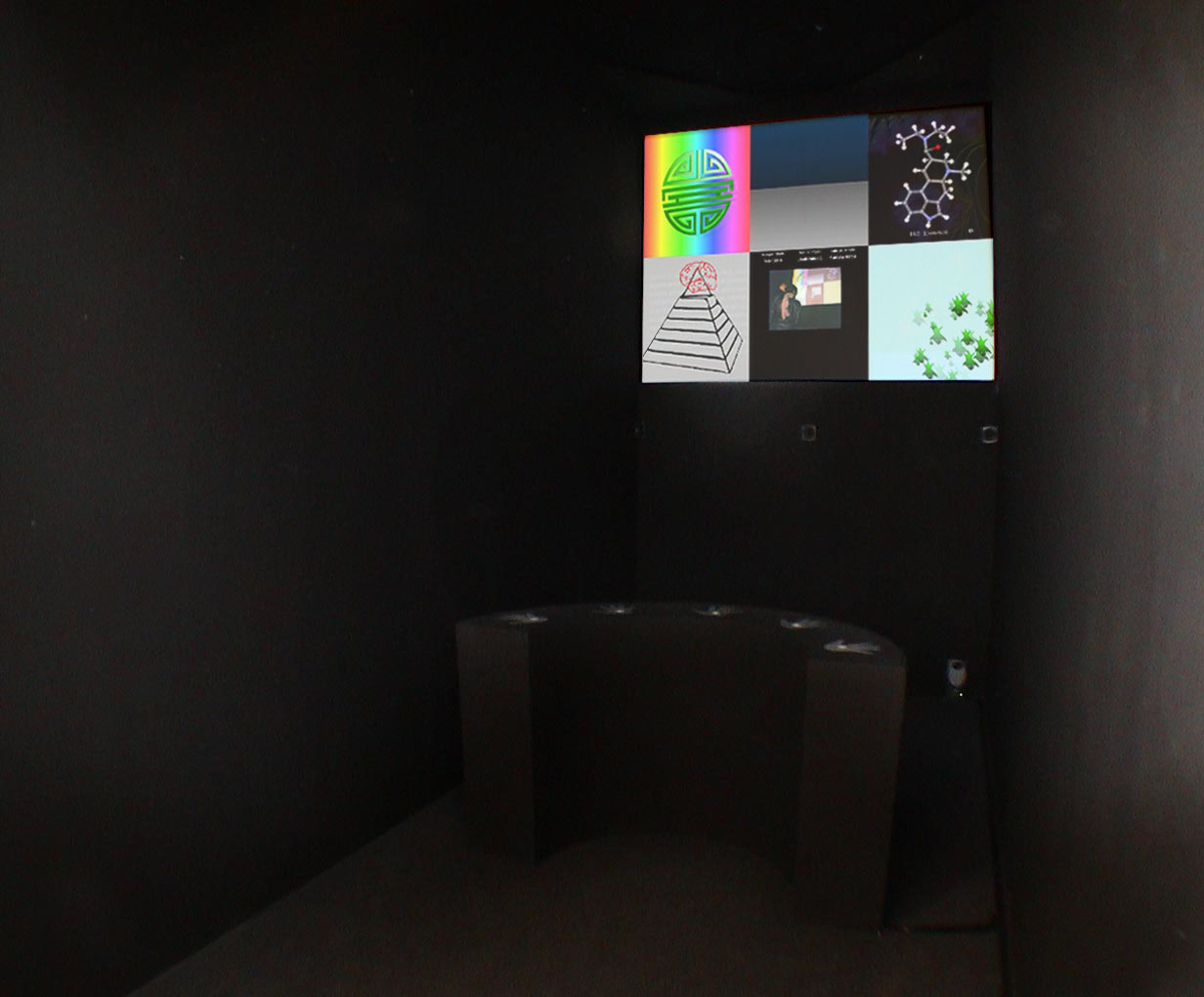
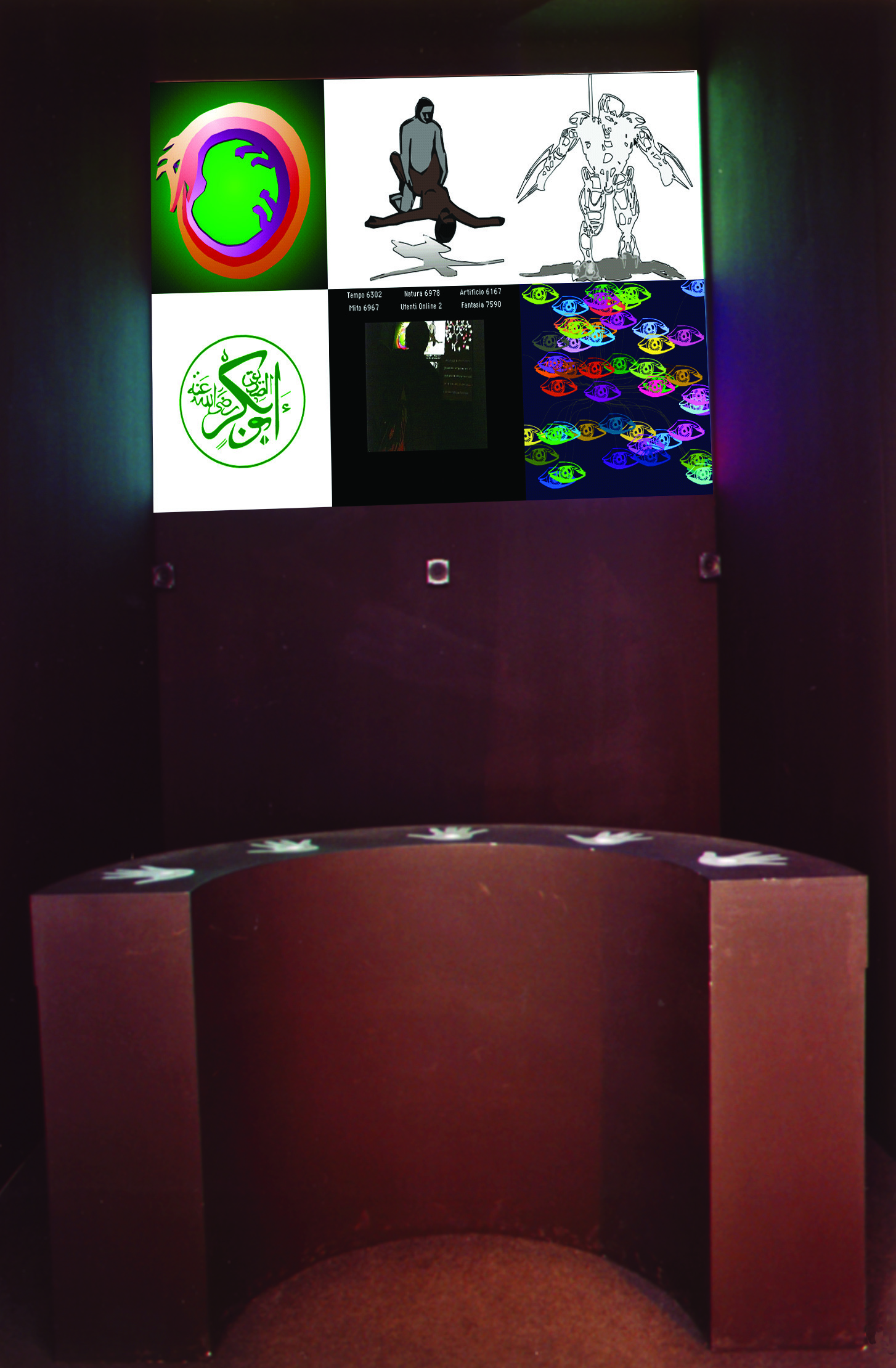
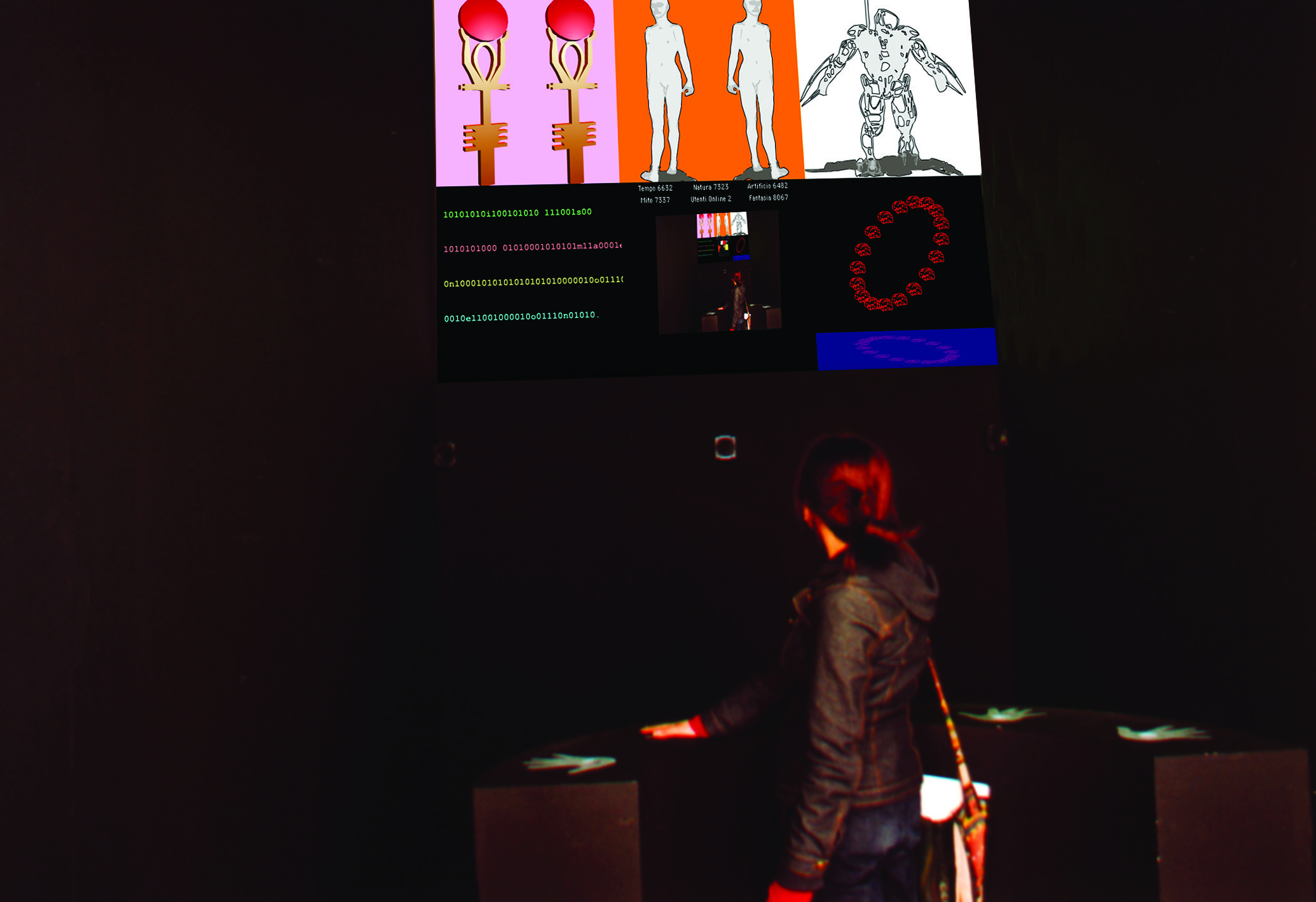
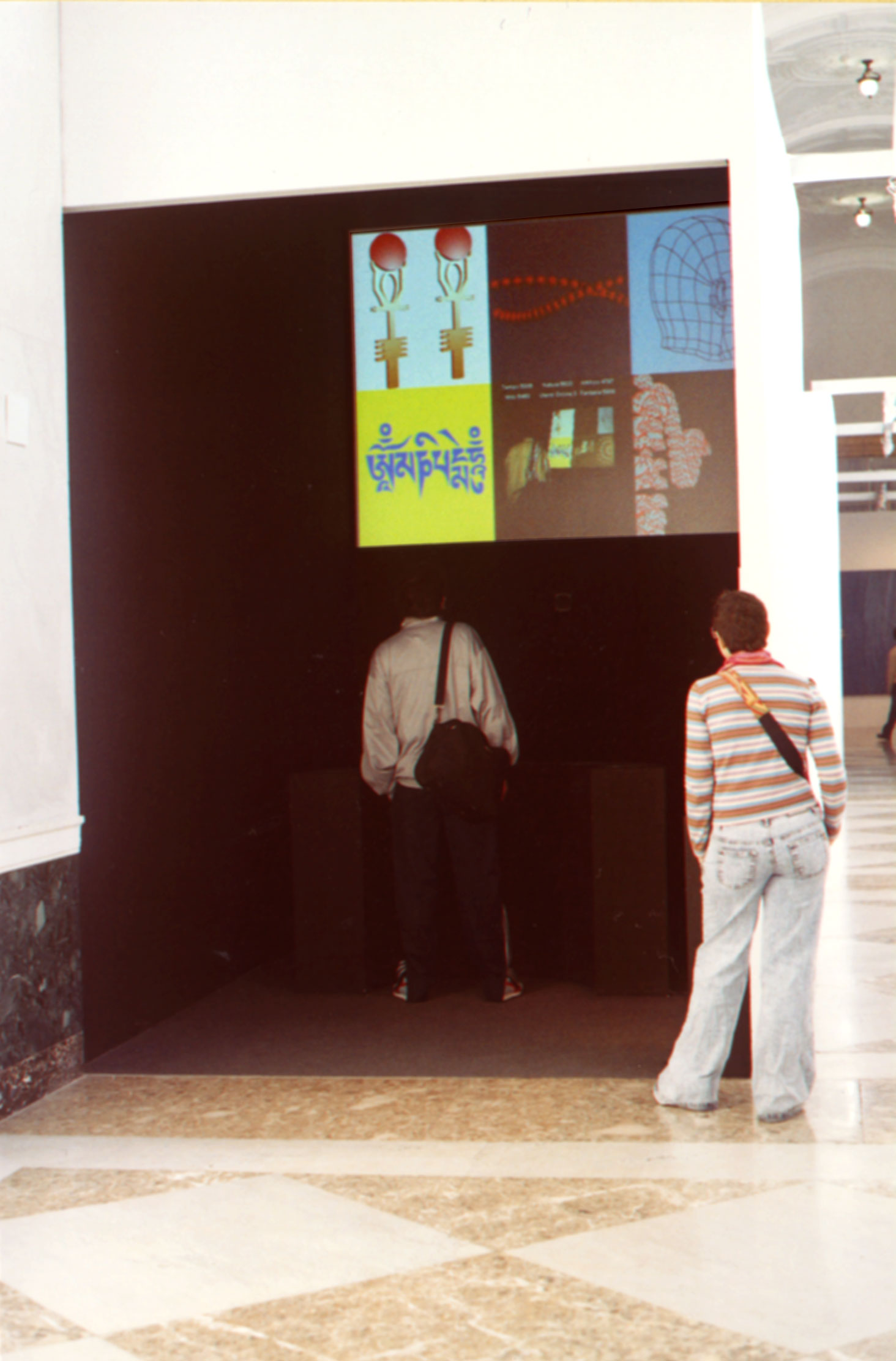
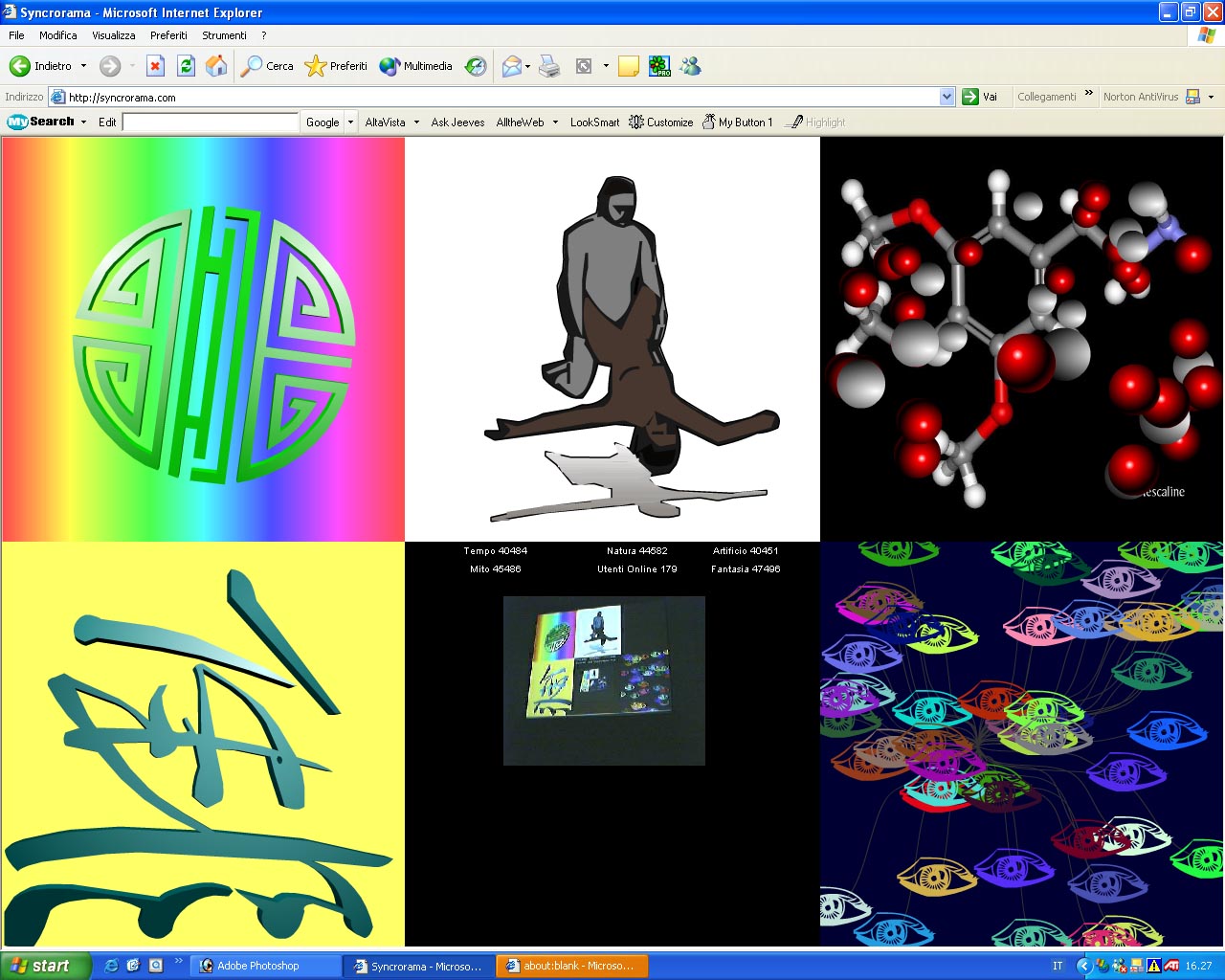
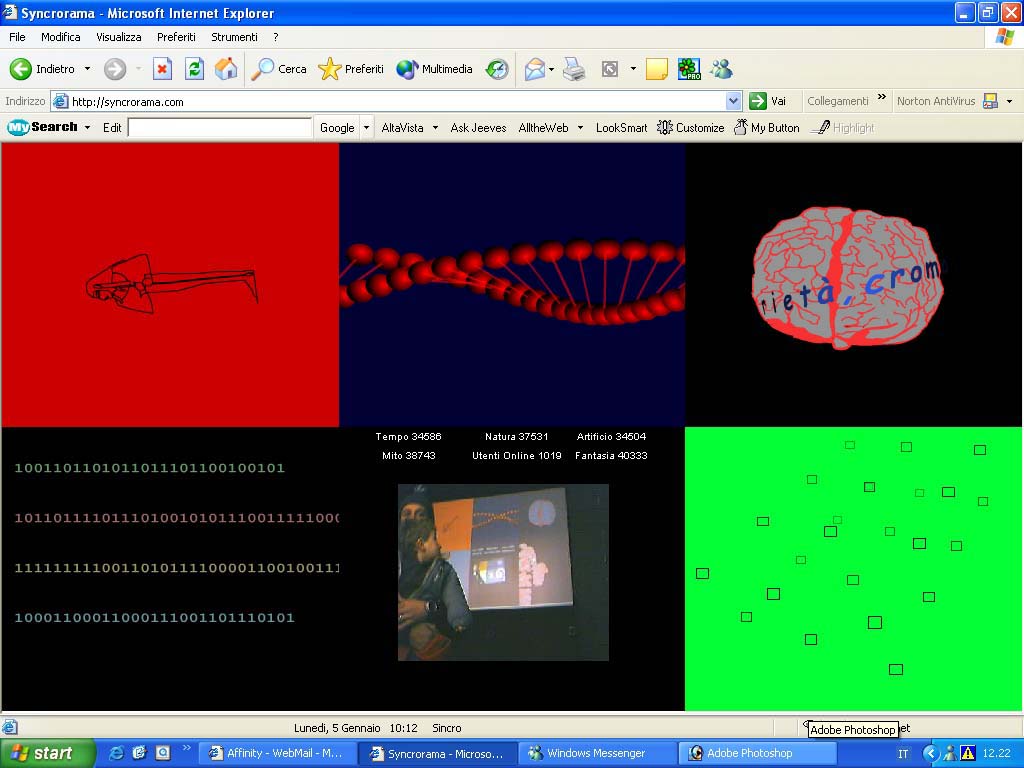
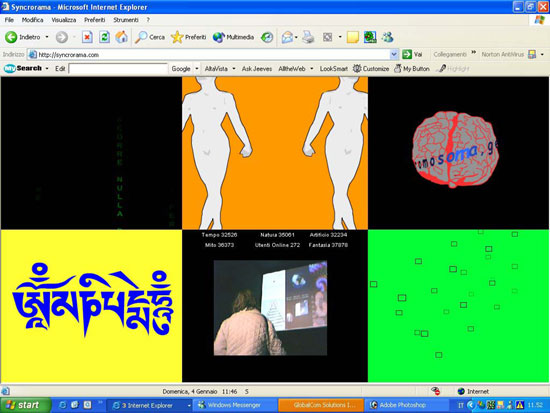
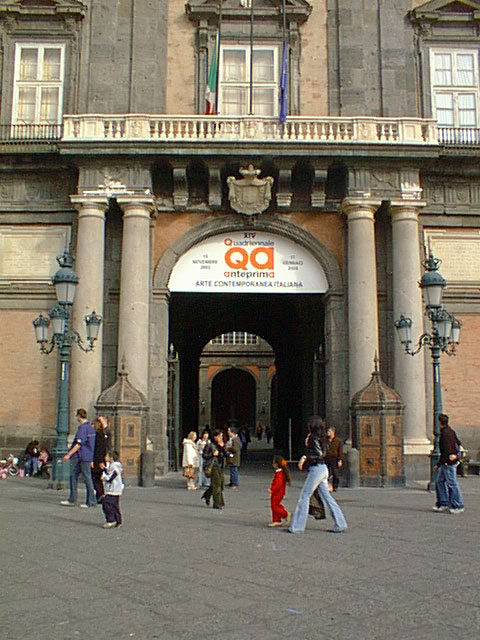
Syncrorama is an interactive installation presented at the 14th Quadriennale of Rome in 2003 and inspired by Jung’s concept of synchronicity applied to the emerging reality of Web 2.0. The work reflects on the idea that the Internet is profoundly transforming economic, social and cultural life, merging real and virtual experience. Inside a dark immersive space, a large multi-screen projection displays audio-video animations created by the artist, while a semicircular console equipped with touch-sensitive surfaces allows the audience to interact with the visual and sound flow — not by altering the individual contents, but by generating new combinations of them randomly. At the same time, dedicated software allows the same form of participation online, synchronizing the inputs of remote users with those of the visitors physically present. The work is not a static object but an environment in continuous transformation, completed only through collective experience and capable of producing endlessly different configurations. Syncrorama anticipates themes that would later become central in digital culture, revealing both the creative potential of the Internet as a space of connection and the complexities that such a transformation would bring in the following years.


Syncrorama è un’installazione interattiva presentata alla XIV Quadriennale di Roma nel 2003 e ispirata al concetto di sincronicità di Jung applicato alla nascente realtà del Web 2.0. L’opera riflette sull’idea che Internet stia trasformando profondamente la vita economica, sociale e culturale, fondendo esperienza reale ed esperienza virtuale. In uno spazio immersivo buio, una grande proiezione multischermo mostra animazioni audio-video realizzate dall’artista, mentre una console semicircolare dotata di superfici sensibili al tatto consente al pubblico di intervenire sul flusso visivo e sonoro senza modificarne i contenuti, ma generando casualmente nuove combinazioni. Parallelamente, un software dedicato permette la stessa partecipazione anche online, sincronizzando gli input degli utenti remoti con quelli dei visitatori presenti. L’opera non è un oggetto statico ma un ambiente in mutazione continua, che si completa solo attraverso l’esperienza collettiva e produce configurazioni sempre diverse. Syncrorama anticipa temi oggi centrali nella cultura digitale, mostrando tanto il potenziale creativo della rete come spazio di connessione quanto le complessità che tale trasformazione porterà negli anni successivi.